Quick summary
- Spanning more than 2,300 kilometres, the Great Barrier Reef contains some 3,000 separate coral reefs.[1]
- Pontoons off Cairns include Moore Reef, which sits 47 km offshore on the Outer Reef.[2]
- Over 1,600 species of fish and more than 600 species of corals live in this system.[3]
- Six of the world's seven marine turtle species are found here, along with reef sharks if you are lucky.[3]
- Reef boats from Cairns depart from the Reef Fleet Terminal at 1 Spence Street, Cairns.[4]
- Top choice All-inclusive Reef Trip from US$196 Duration1 day[5]Rating4.51[5]LanguageEnglish[5] Check availability
- Premium Snorkel & Dive from US$0 Duration8 hours[6]Rating4.65[6]LanguageEnglish[6] See this tour
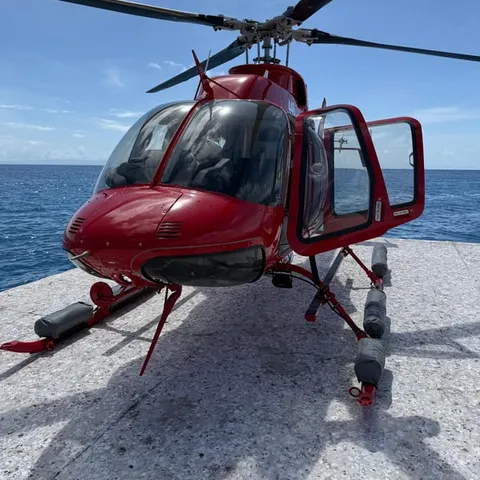
- Reef Cruise & Heli Flight from US$309 Duration8.5 hours[7]Rating4.63[7]LanguageChinese, English[7] See this tour
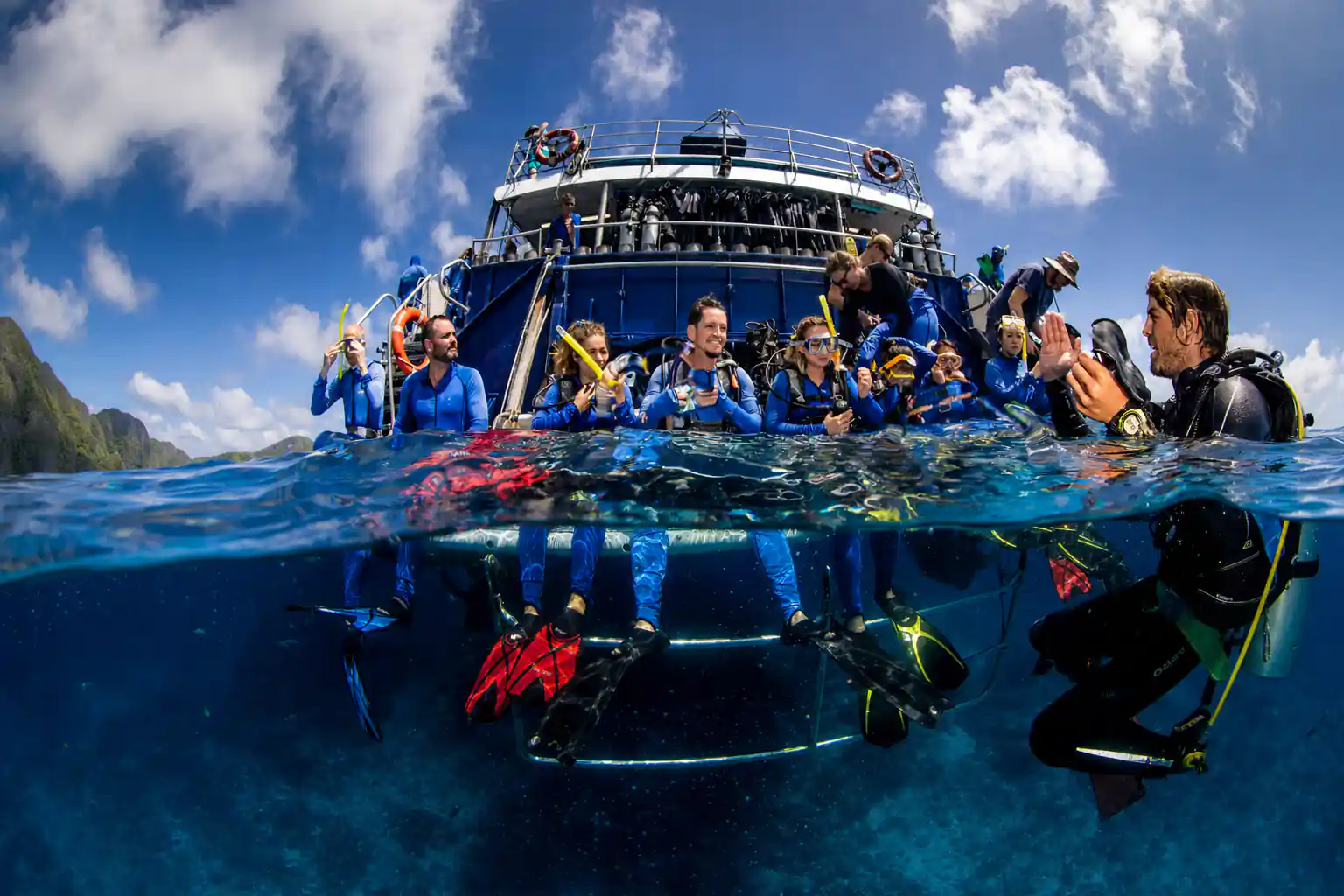
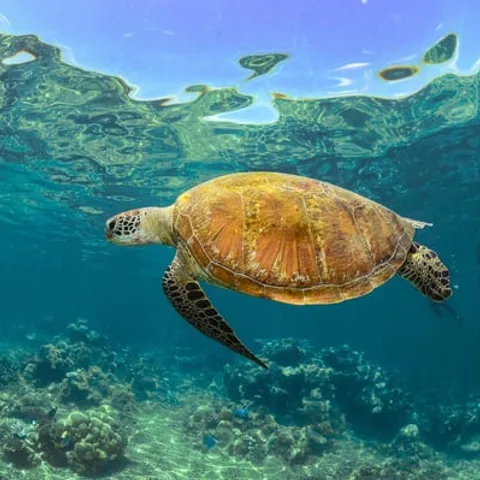
This living icon boasts over 1,600 species of fish, over 600 species of corals and a wide range of iconic marine creatures including six of the world’s seven species of marine turtle .
A solid, all-inclusive first day on the reef
Arriving
A Reef Is Not an Aquarium
Stepping onto a reef boat from Cairns is different from visiting a zoo or aquarium. The Great Barrier Reef is a wild, living system that spans more than 2,300 kilometres along the northeast coast and is made up of some 3,000 individual coral reefs.[1] You are not watching curated exhibits; you are floating over a working ecosystem. On the northern reef, hard coral cover increased from 30.0% in 2025 to 35.1% in 2026, a sign of how much life is holding on.[14]
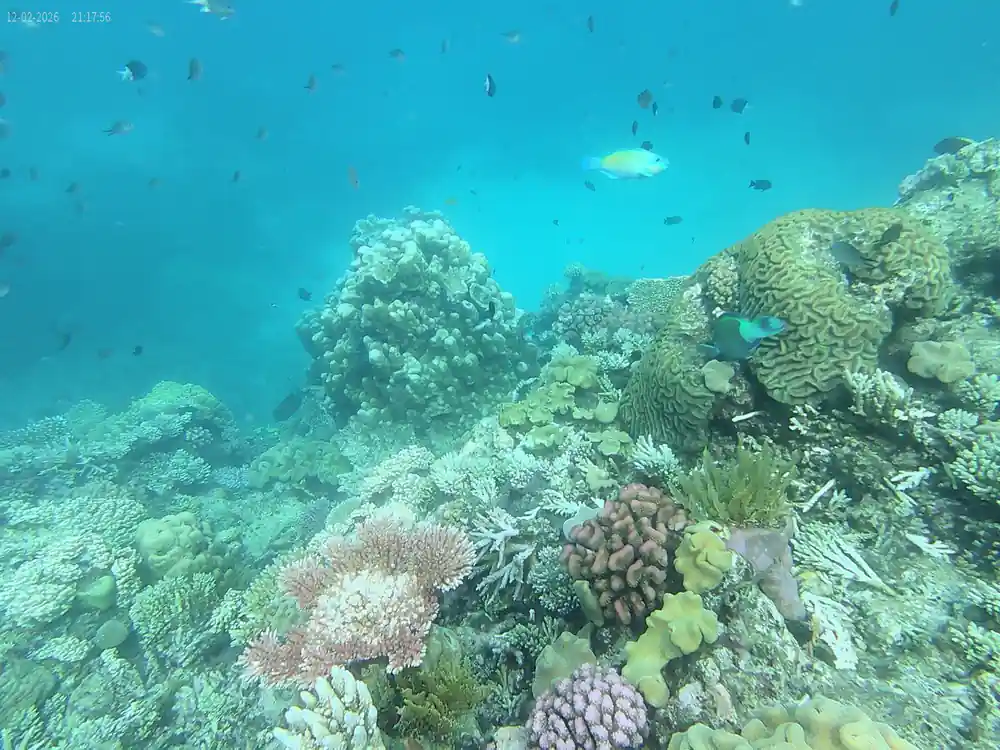
The reef is not a single wall of colour. Bommies, patches of sand, channels, and rubble combine to form a mosaic; over 1,600 fish species, over 600 coral species, and six of the seven marine turtle species worldwide call the reef home.[3] The water clarity changes with tide and weather. A calm morning can feel like a lake; an afternoon breeze can stir the sand.
The reef also has a rhythm. Early in the morning the water is often calmer, and fish are more active near the surface. By midday the sun is overhead, which makes colours brighter but also brings more boats to popular moorings. Later in the afternoon, light gets softer and shadows lengthen over the sand. If you can choose your timing, a day trip that leaves early and returns late gives you the widest range of conditions.
The Coral in the First Few Metres
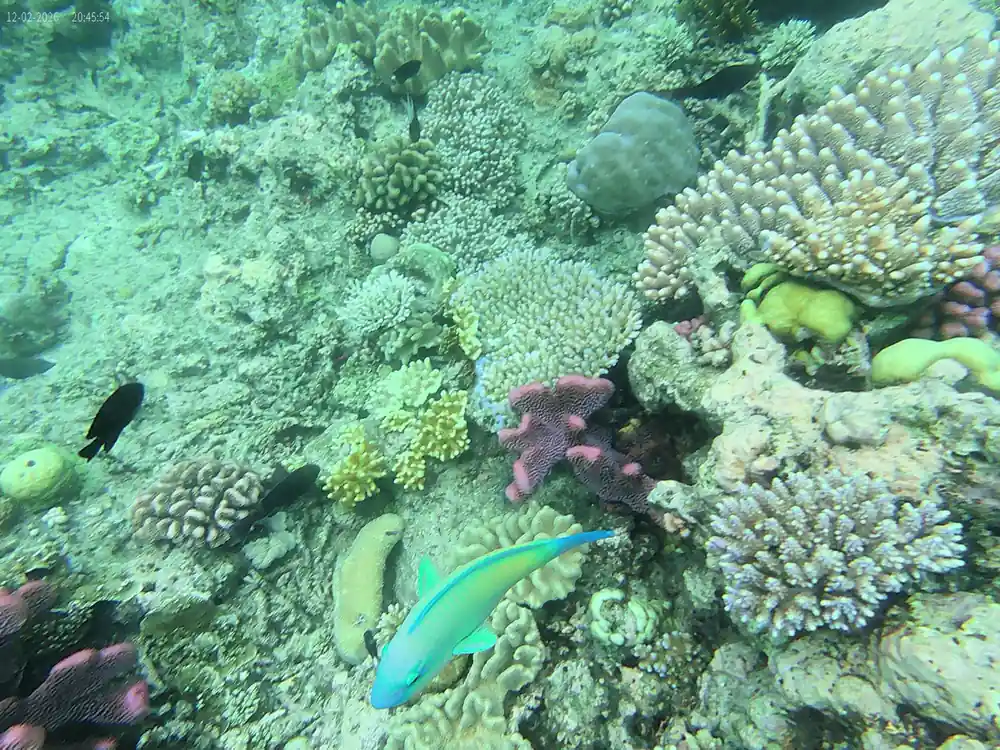
Most of what you see from a Cairns reef trip happens in the first few metres below the surface. The coral comes in plates, fans, boulders and branching shapes. In shallows, sunlight makes the colours pop: blues, purples, creams and greens. The reef is not uniformly bright; many corals are soft and sandy-coloured, with the electric colours saved for the fish and invertebrates.
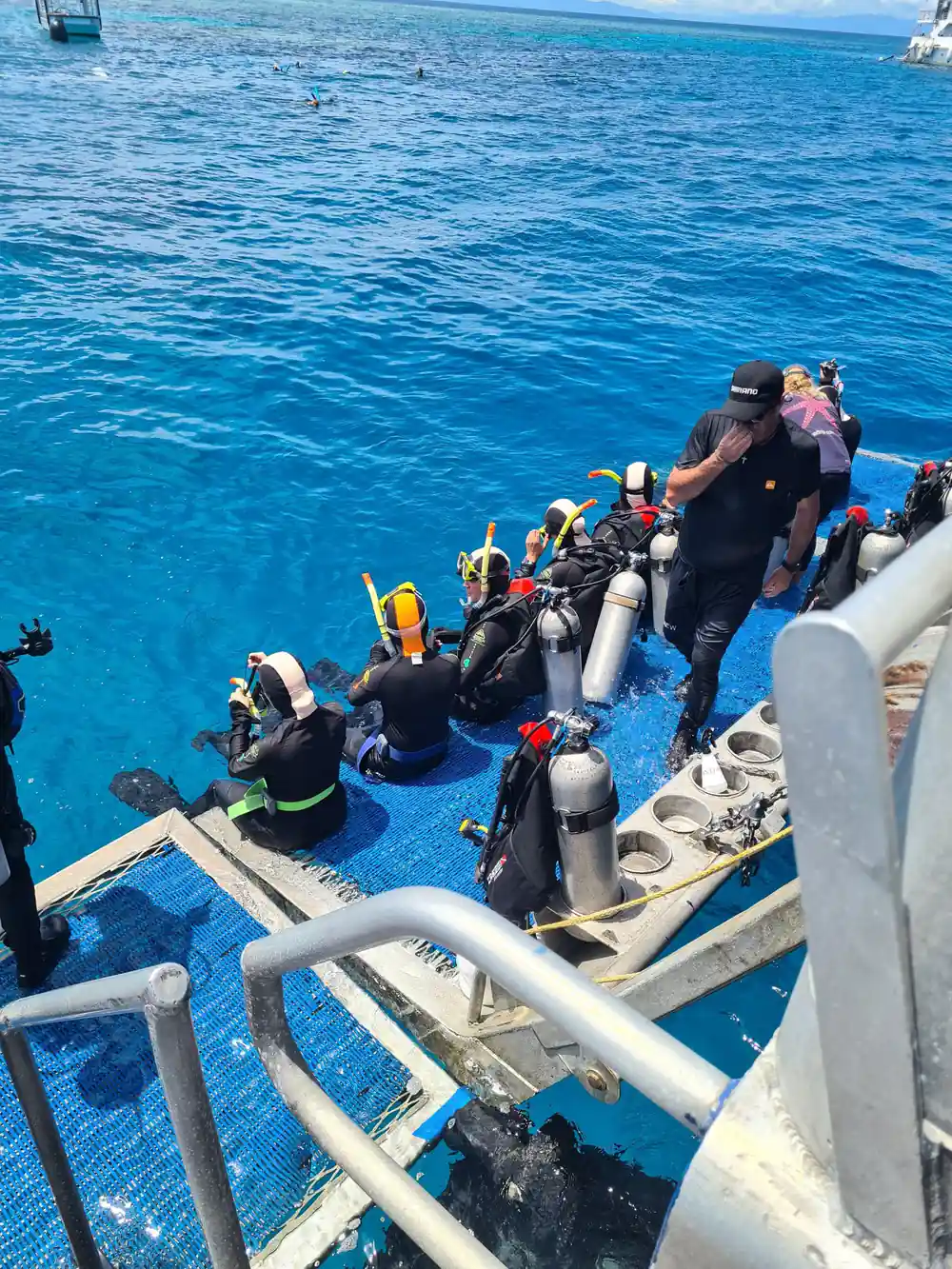
On boats that moor at a pontoon, you can ease into the water from a stable platform. Pontoons off Cairns include Moore Reef, which sits 47 km offshore on the Outer Reef.[2] That means you are in deeper water than at the islands, with the reef wall dropping away beneath you. If you prefer a beach entry, Green Island is 27 km east of Cairns, about 45 minutes by boat.[8] Fitzroy Island is 29 kilometres south-east of Cairns, about 45 minutes by ferry.[9]
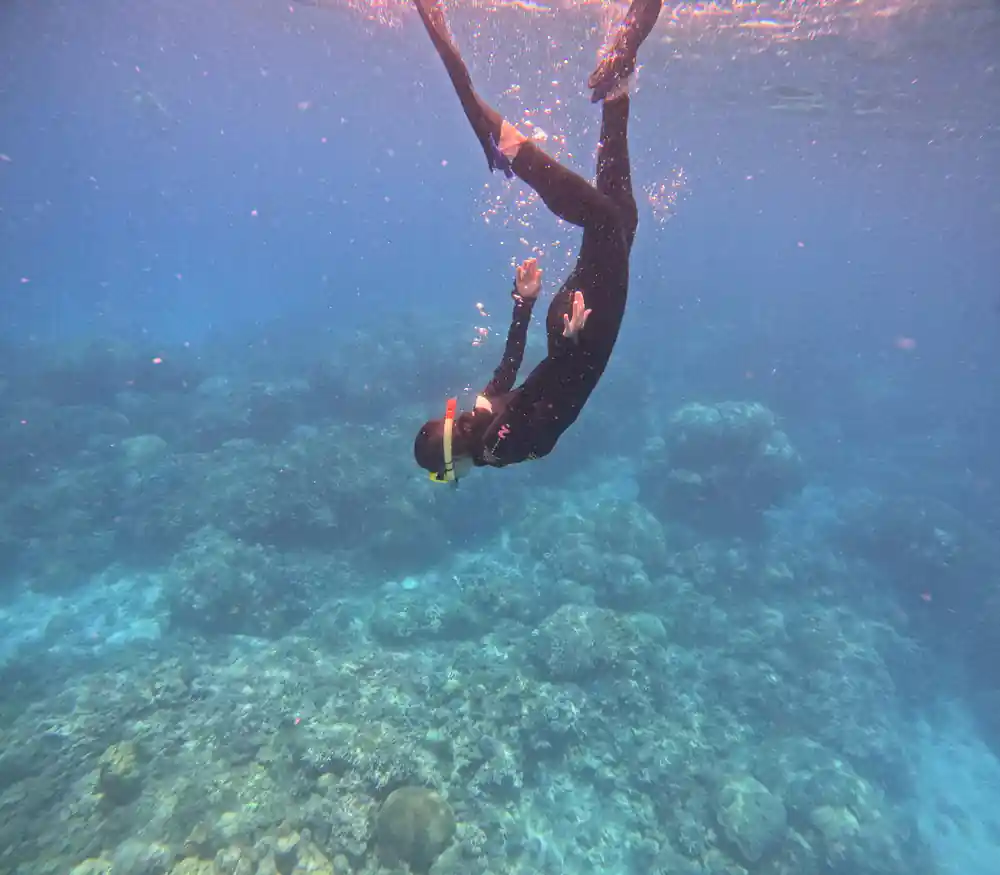
The reef rewards slow movement. Kick gently, breathe through your snorkel, and let fish swim around you. Hovering over a single bommie lets you see more behaviour than a long fast swim. Coral polyps are delicate, so the rule is simple: look, do not touch. Many people leave with a new respect for the invisible animals that build the reef.
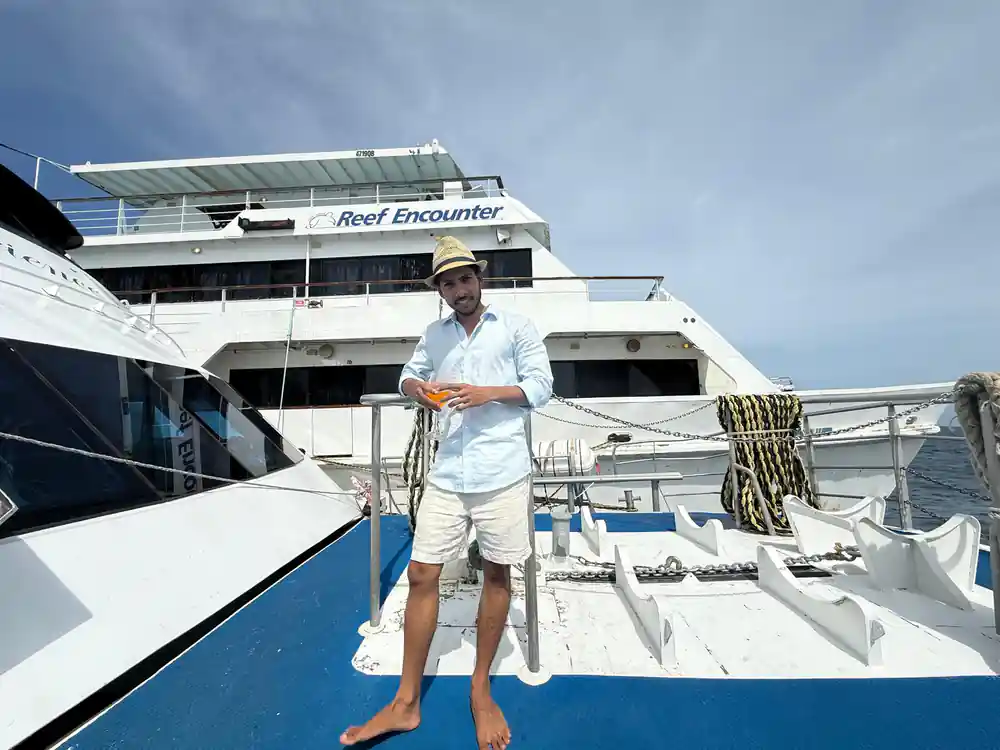
A catamaran moored beside a reef platform with swimmers in the water
The Fish You Will Actually Recognise
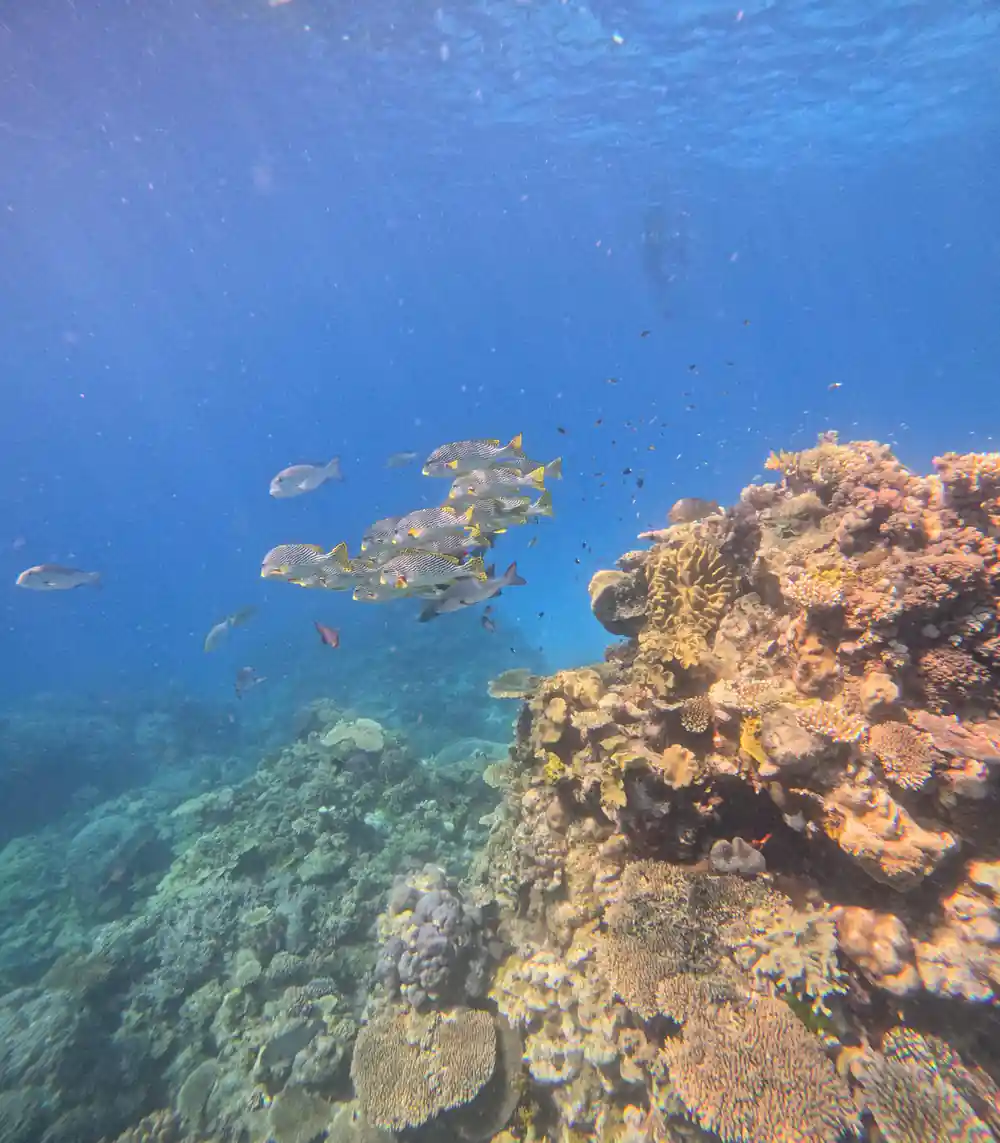
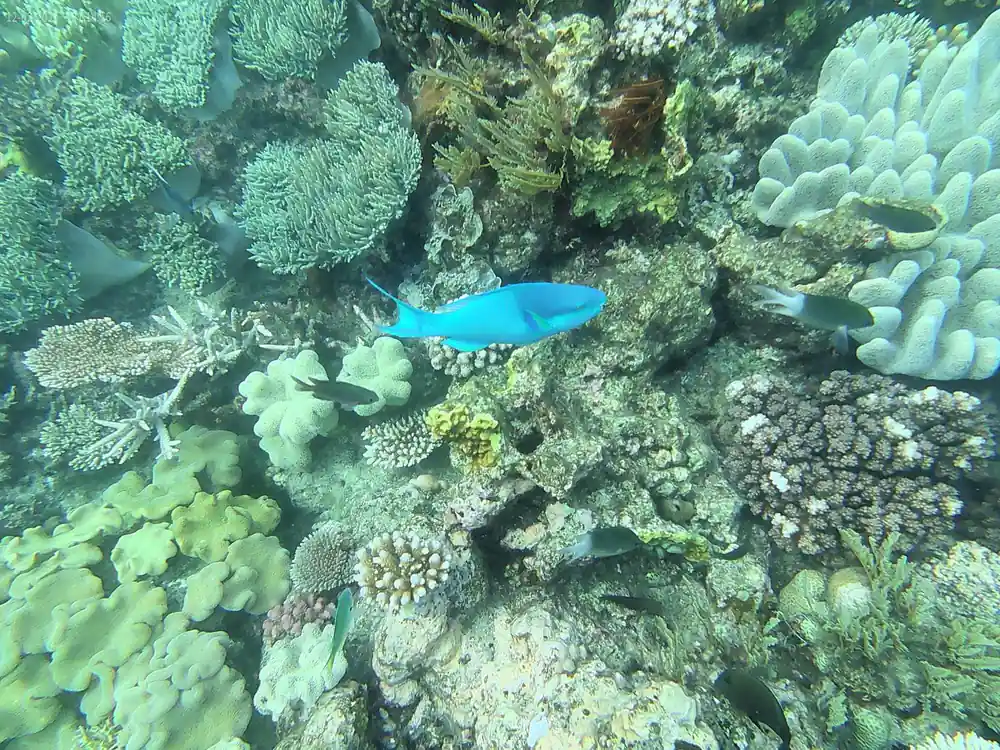
Within minutes of putting your mask in, you will see fish that have become reef celebrities. Clownfish hover around their anemone homes, and parrotfish crunch at coral with their beak-like mouths. You may spot butterflyfish, surgeonfish and the occasional Maori wrasse, a huge, blue-green fish with thick lips. None of this is guaranteed, but the diversity is real: the reef hosts over 1,600 species of fish.[3]
Snorkellers who stay still often see more. If you float quietly over a coral bommie, small damselfish come out, and larger predators such as trevally cruise past. Many boats have crew who point out what is swimming below. On day trips from Cairns, a catamaran carries you out to the outer reef, so you have time to settle in before the first splash.[2]
Another easy way to see more is to join a guided snorkel or dive. Crew members know where animals tend to gather and can point out camouflaged creatures you would otherwise miss, such as stonefish, octopus or leaf scorpionfish. They will also keep an eye on currents and depth, which is reassuring for weaker swimmers. The all-inclusive trip from this site has an instructor, and its traveller rating is 4.51 from 456 reviews.[5]
Turtles, Sharks and What Is Not Promised
Turtles are the stars most people remember. Among the world's seven marine turtle species, six inhabit the reef's waters; you have a decent chance of seeing one glide over sand or surface to breathe.[3] Reef sharks are also possible, usually small white-tip or black-tip reef sharks resting on the bottom. They are not the scene from a thriller; they are shy and usually move away.
No operator can promise any particular animal. The reef is wild, and sightings depend on tide, season and luck. What is promised is time in the water: on the all-inclusive trip from this site, you get a full day with a scuba dive and snorkelling from the boat.[5] The trip is rated 4.51 from 456 reviews.[5] If you want a faster-paced option, some tours add a helicopter flight.
Keep your camera ready, but give yourself time without it. A turtle surfacing for air is quick, and a reef shark may glide past and disappear into blue. Those quiet moments are also when you notice the smaller stuff: cleaner shrimp on a coral head, triggerfish circling a bommie, a school of baitfish moving as a single shape. The memory is often the complete scene rather than a single animal.
from US$196
All-inclusive day trip from Cairns with a scuba dive on the Great Barrier Reef. Book now and pay later, and cancel at no charge up to 24 hours prior.[5]
The Marine Biologist's Presentation
Several Cairns reef trips include a presentation or commentary from crew members who study the reef. They explain how coral polyps build limestone skeletons, why the reef needs sunlight, and what the latest monitoring shows. On the northern Great Barrier Reef, hard coral cover increased from 30.0% in 2025 to 35.1% in 2026.[14] That is a hopeful number, but reef health remains a complex story.
You will also learn practical things: how to wear a mask, how to signal to a dive instructor, and how to move in the water without kicking coral. The tour from this site has an English-speaking instructor and runs for one day, with starting times checked at the time of booking.[5] You can reserve now and pay later when booking, and cancellation is free up to 24 hours before the activity.[5]
Ask questions early. Guides are used to beginners and appreciate people who want to understand the reef rather than just swim over it. If you are planning to scuba dive, let the crew know your experience level; they can help you feel comfortable with the gear. With flexible booking, you can reserve now, pay later, and cancel for free up to 24 hours before the tour.[5]
What Surprises Most People
The first surprise is scale. The reef is not a line of coral along the shore; a catamaran must travel out to the outer reef, where the Moore Reef pontoon sits 47 km offshore.[2] The second surprise is how alive everything is. Fish dart around your fins, and the coral is covered in movement, from shrimp to sea stars. Winter water temperatures average 24°C, while summer ones average 29°C. A rash shirt or stinger suit is often enough.[11]
Another surprise is the weather. In Cairns, the dry season lasts roughly May to October, while the wet season lasts roughly December to March.[13] Typically, the marine stinger season lasts from November to May.[10] Many operators provide protective suits during those months. The reef is still worth visiting in both seasons, but your packing changes.
Expect to be salty and tired. A full day on the water takes more energy than it seems, and the tropical sun is strong even when the air feels cool. Drink water, reapply sunscreen, and keep a light layer to protect your shoulders. The crossing back to Cairns is often a good time to rest; by the time you reach the Reef Fleet Terminal, you will already be planning the next trip.[4]
Planning Your Reef Day from Cairns
Departures for reef boats from Cairns take place at the Reef Fleet Terminal, 1 Spence Street.[4] Plan to arrive with your voucher, swimwear and a towel. Rated 4.51 from 456 reviews, the all-inclusive trip offered through this site is a one-day excursion that includes a scuba dive.[5] Its from price is US$196.[5]
If you want a shorter day, consider a half-day snorkelling tour from US$125.[15] If you want a broader view, a reef cruise with a scenic helicopter flight starts at US$309.[7] The reef tourism industry provides access for more than 2 million tourists each year.[16] But for a first taste, a day from Cairns is a solid, practical choice.
To keep your first reef visit simple, book a tour that bundles the logistics. The Best Value All-inclusive Reef Trip With Scuba Dive from Cairns costs from US$196, lasts one day and is instructed in English.[5] Reserve now and pay later; cancellation comes free of charge up to 24 hours before the start.[5] It is rated 4.51 from 456 reviews.[5]
Distances from Cairns
Choose your reef day
USD from-prices for listed tours:[5][7][15][17]
When to book and go
How to plan your reef day
Choose your trip
Compare day trips from Cairns, including the all-inclusive option with a scuba dive.
Check the details
For this trip, you can reserve now, pay later, and cancel for free up to 24 hours beforehand.[5]
Pack the essentials
Bring swimwear, a towel, sunscreen and a rash shirt; most boats supply masks and fins.
Arrive at the terminal
Departures for reef boats from Cairns take place at the Reef Fleet Terminal, 1 Spence Street.[4]
Know the seasons
Roughly May through October is the dry season, while December to March is roughly the wet season.[13]
Ready to see the reef?
from US$197Reserve now & pay later