Quick summary
- Cairns reef trips leave on small fast boats, large catamarans, dedicated dive boats and pontoon-based day trips. On the Outer Reef, Sunlover's Moore Reef pontoon lies 47 km offshore.[1]
- The Best Value All-inclusive Reef Trip With Scuba Dive costs from US$196, lasts 1 day, and uses a catamaran with two Great Barrier Reef stops.[2]
- A reef pontoon is a stable two-storey base with snorkelling, a waterslide, an underwater observatory and more. On the Outer Reef, Sunlover's Moore Reef pontoon lies 47 km offshore.[1]
- Green Island, lying 27 km east of Cairns, offers a boat ride around 45 minutes[3], whereas Fitzroy Island, 29 kilometres south-east of Cairns, has a ferry journey of 45 minutes[4].
- In Cairns, the dry season lasts from about May to October, while the marine stinger season usually runs November to May.[5][6]
- Top choice All-Inclusive Reef Trip from US$196 Duration1 day[2]Trip shapeCatamaran with two Great Barrier Reef stops[2]CancellationCancel up to 24 hours in advance[2] Check availability
- Fitzroy Island Day Trip from US$76 Duration8 hours[7]Trip shapeFitzroy Island full-day trip with extras[7]CancellationCancel up to 24 hours in advance[7] See this tour
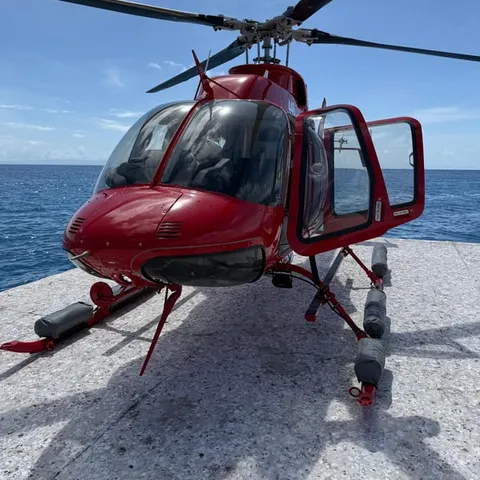
- Reef Cruise with Helicopter from US$309 Duration8.5 hours[8]Trip shapeReef cruise with helicopter flight[8]CancellationCancel up to 24 hours in advance[8] See this tour
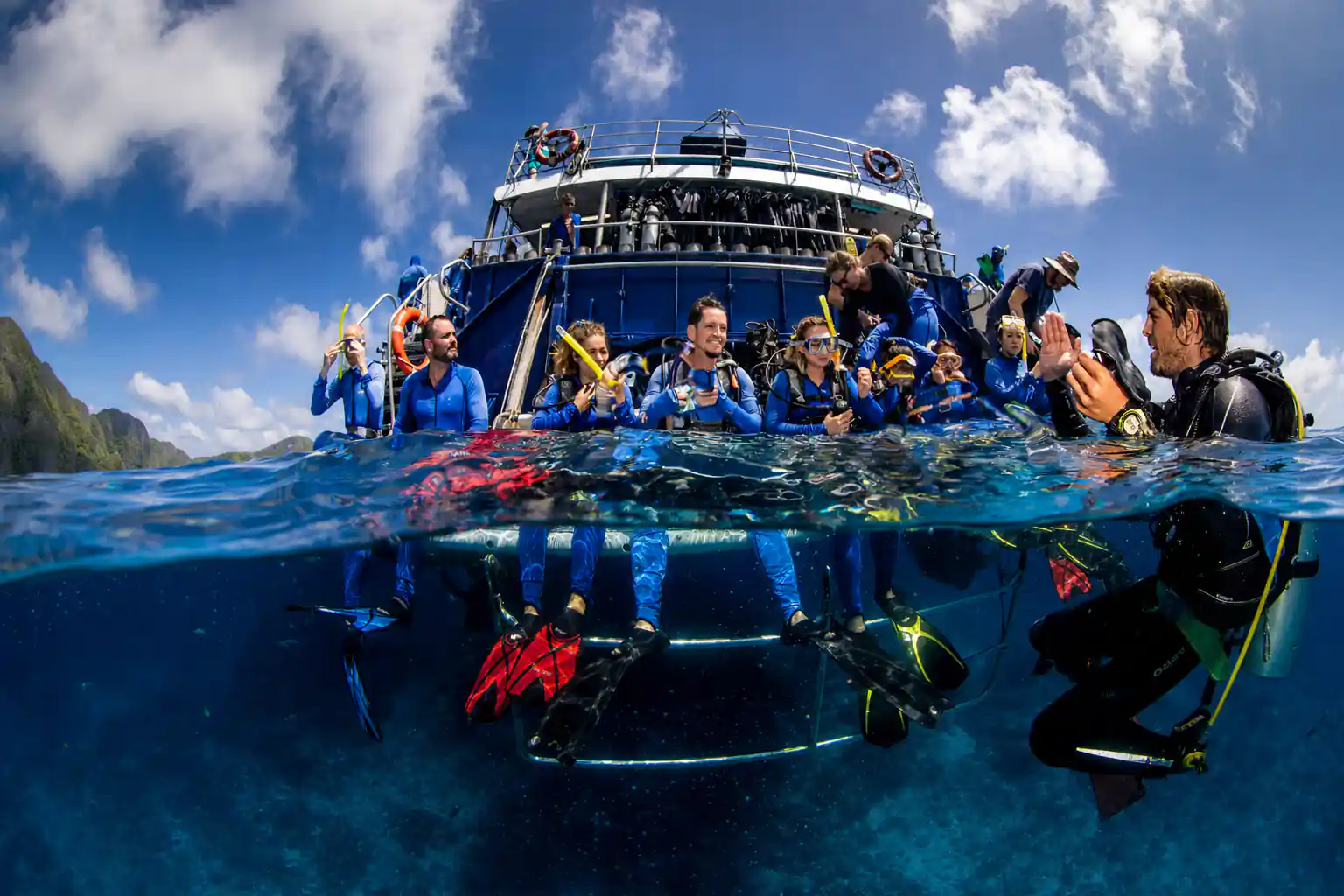

Full day passenger (pax) $8.50 per day for:
Which reef boat should you choose?
Getting there and timing
Season and reef care
- Cairns dry season runs roughly May to October.[5]
- Average water temperature on the reef off Cairns is 29°C in summer (December-February) and 24°C in winter (June-August).[10]
- The Great Barrier Reef Environmental Management Charge for a full-day passenger is $8.50 per day.[11]
- A reef pontoon is a stable two-storey base with snorkelling, a waterslide, an underwater observatory and more.[1]
The Kinds Of Reef Boat Leaving Cairns
The different kinds of reef boat trips from Cairns all reach the same spectacular reef, but they feel very different underfoot. Stretching over 2,300 kilometres along Australia's northeastern coast, the Great Barrier Reef is composed of roughly 3,000 distinct coral reefs.[12] That scale matters when you choose a boat: the trip is a real ocean crossing, not a short hop, so the hull and the timetable deserve equal attention.
Most day trips from Cairns use one of a few boat styles: small fast boats, large twin-hull catamarans, dedicated dive boats, and trips built around a reef pontoon. Sunlover's Moore Reef pontoon lies 47 km offshore, making the outer reef a genuine offshore destination.[1] Smaller boats may shave time but feel livelier; pontoon trips add a stable platform once you arrive. The real choice is how much time you want on the reef and how much boat motion you enjoy. Seeing the coast recede behind you and the water shift from the green of the harbour to the blue of the open ocean is part of the day's pleasure, so allow yourself time to savour the crossing instead of rushing it.
Fast Small Boats And The Trade-Off For Speed
Fast small boats trade cabin comfort for speed. They are well suited to travellers who want to spend more of the day in the water and less time sitting on a deck. The trade-off is motion: a smaller hull sits lower and moves with the swell, so the ride can feel bouncier than a large catamaran. That is fine if you like the wind in your face, but it is worth knowing before you book. The crew will usually brief you on the plan before departure, and there is no harm in asking for a seat near the centre of the boat if you are unsure how you will feel in open water. A light breakfast before you board also helps settle the stomach, and a windproof layer makes the ride more pleasant.
For anyone wanting a shorter crossing, Green Island sits 27 km east of Cairns; the boat trip takes about 45 minutes.[3] Lying 29 kilometres south-east of Cairns, Fitzroy Island is reached by a ferry that takes 45 minutes.[4] These island runs are not the same as outer reef trips, but they are a gentler way to get reef time with less open-water travel. These trips also suit first-timers who want a reef experience without committing to a long day at sea, and they leave more energy for exploring the island trails or floating in the lagoon.
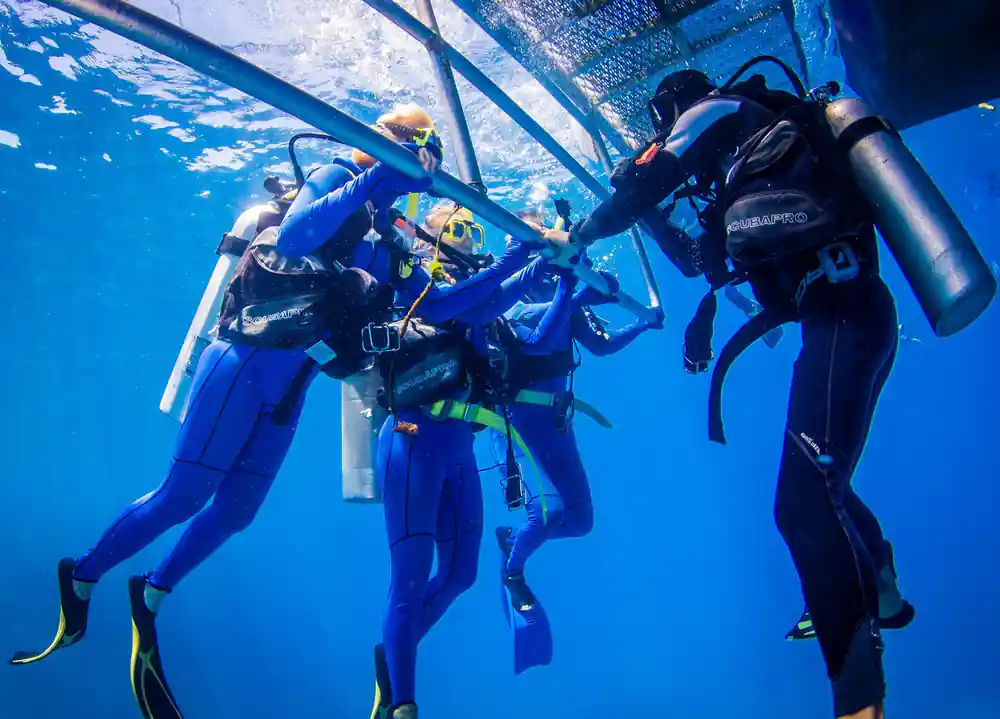
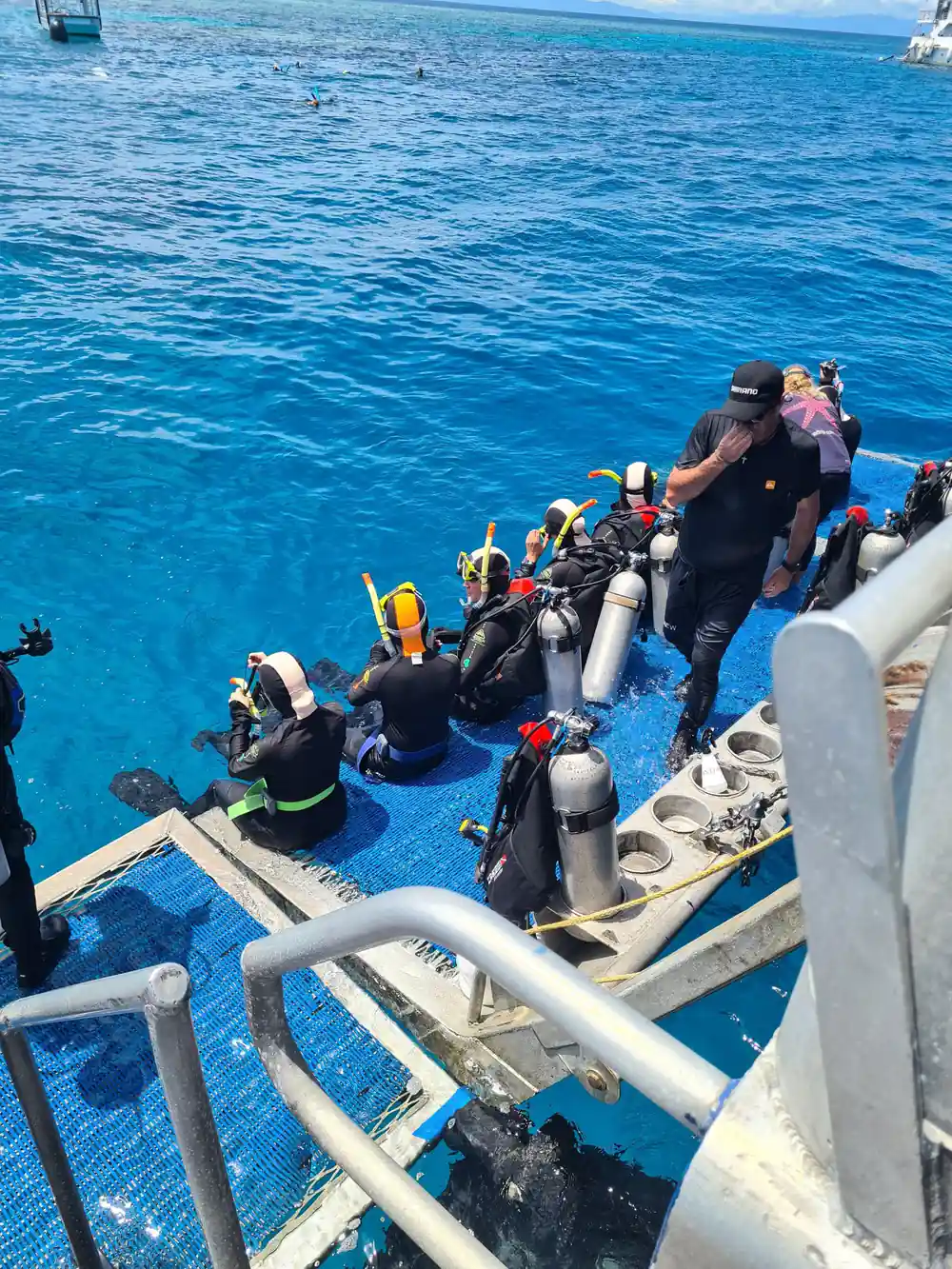
A wide catamaran deck is a reassuring place to start a day on the reef
Large Twin-Hull Catamarans, And This Trip's Boat
Large twin-hull catamarans, and this trip's boat, are the workhorses of Cairns reef days. The Best Value All-inclusive Reef Trip With Scuba Dive runs on a catamaran, with stops at the Great Barrier Reef twice before returning to Cairns.[2] It is priced from US$196, lasts 1 day, and includes an English-speaking instructor.[2] That package makes it an easy first reef day for anyone who wants a scuba dive option without booking a separate dive operator. The itinerary is structured for mixed groups, so snorkellers and certified divers share the same day comfortably. If you are travelling with someone who wants to stay on the surface, they will have just as much to look at as the divers below.
A twin hull spreads the load, so the deck feels steadier than a single-hull boat in open water. You will share the ride with a mix of snorkellers, divers and day-trippers, and the crew sets the pace for the day. The itinerary begins and ends with catamaran legs, with two Great Barrier Reef stops in between.[2] Plan to spend the sailing time on deck and keep your camera handy. The crew keeps a close eye on the weather and the group, and they will let you know when the light is best over the reef. That is also the moment to check your mask, fins and sunscreen so you are not fumbling when it is time to get in the water.
Dedicated Dive Boats Are Built Differently
Dedicated dive boats are built differently. They carry more tanks, have space for gear preparation, and usually get divers into the water early, before the larger day boats arrive. The trade-off is focus: these trips tend to attract certified divers and people who want more time below the surface. Not every traveller needs a dive boat to enjoy the reef. For a first-time diver, a boat packed with tanks and regulators can feel a little intense. A mixed trip like this one gives you the chance to go below the surface and then return to a relaxed deck without the pressure of a full dive schedule.
The Best Value All-inclusive Reef Trip With Scuba Dive is a middle path. It includes a scuba dive with an English-speaking instructor, so you can try diving as part of a broader reef day.[2] If you already hold a certification, a dedicated dive boat may give you more dives and a tighter schedule, but the all-inclusive trip keeps the experience simple. It is worth confirming the dive option when you book, because the pace of the day and the equipment arrangements can vary between operators. In any case, the instructor speaks English and is there to guide you through the basics.
from US$196
This full-day catamaran trip to the Great Barrier Reef includes a scuba dive, an English-speaking instructor, and free cancellation with at least 24 hours notice.[2]
Pontoon-Based Day Trips To The Reef
Pontoon-based day trips solve the stability question in another way. Great Adventures operates daily tours from Cairns to an Outer Great Barrier Reef Pontoon.[13] A reef pontoon provides a stable two-storey base with snorkelling, an underwater observatory, a waterslide and more; Sunlover's Moore Reef pontoon lies on the Outer Reef, 47 km offshore.[1] The platform is moored, so you can step straight into the water, which makes a difference for nervous swimmers or young children. You can take your time getting in and out of the water, and there is usually a shaded area on board where you can rest between swims.
Some Cairns trips pair a pontoon with an island stop. Green Island, lying 27 km east of Cairns, offers a boat ride around 45 minutes[3], whereas Fitzroy Island, 29 kilometres south-east of Cairns, has a ferry journey of 45 minutes[4]. These closer destinations allow reef time with less open-water travel before the platform or island arrives, and they are a good compromise for mixed groups. If you are trying to decide between an island and an outer reef trip, think about what you want from the day: a coral cay with beaches and forest walks, or the deeper reefs further out where the bigger fish gather. There is no wrong answer, only a question of how adventurous you feel.
Where You Sit Changes What You Feel
Where you sit changes what you feel. On a catamaran, the centre section moves least; seats near the bow rise and fall with the swell. If you are prone to seasickness, pick a spot amidships, keep your eyes on the horizon, and stay outside rather than below deck. On the return leg, wind and waves often come from a different angle, so the same seat can feel different in the afternoon. Some travellers find that a sea band or a small dose of motion-sickness medicine before boarding makes all the difference. The important thing is to take it early, because once the boat is moving, it is far less effective.
The Best Value trip starts with a catamaran leg, then moves to reef stops, then returns by catamaran.[2] In summer (December-February), reef waters off Cairns average 29°C; in winter (June-August) they average 24°C, so a light rash vest can still help in warm months.[10] A towel, sunscreen and a windproof layer are more useful than a heavy bag. Leave valuables in a dry bag or in the lockers provided, and keep your phone in a waterproof pouch if you want photos near the water. Simple preparation means you can relax once the engines start and the reef comes into view.
Why Steadiness Is Worth Weighing First
Why steadiness is worth weighing first: if you are travelling with children, older adults, or anyone who is not a strong swimmer, the boat's platform matters as much as the reef. A catamaran gives you a broad, stable deck for the crossing, and a pontoon gives you a fixed base at the reef. The Best Value All-inclusive Reef Trip With Scuba Dive uses a catamaran, so you get the steadier hull without adding a separate dive-boat leg.[2] That combination is reassuring for anyone who wants a proper reef day but is not ready for a tiny, fast boat. With a large deck and a fixed plan, the day feels calm from the moment you leave the terminal.
Plan around seasons, too. Cairns sees a dry season from roughly May to October, while its wet season spans roughly December to March.[5] Typically lasting from November to May, marine stinger season increases the risk of dangerous jellyfish encounters.[6] If stinger suits are offered, wear one; it takes a minute and makes the day more comfortable. On the northern Great Barrier Reef, hard coral cover rose from 30.0% in 2025 to 35.1% in 2026.[14] The reef is alive, and a day on the water is a simple way to support the operators who look after it.
How far offshore are the reef destinations from Cairns?
Compare from-prices for a reef day
When to book a reef boat from Cairns
How to book a reef boat
Pick a boat
Match the boat to your plans. This trip uses a catamaran and includes a scuba dive with an English-speaking instructor.[2]
Book flexibly
Book now and pay later; if your plans change, you can cancel without charge up to 24 hours ahead.[2]
Go to the terminal
Complete your check-in at the Reef Fleet Terminal on 1 Spence Street in Cairns.[9]
Sail out
Set sail toward the reef; the Sunlover's Moore Reef pontoon lies 47 km offshore in the Outer Reef.[1]
Spend the day
The itinerary includes two Great Barrier Reef stops before the catamaran returns to Cairns.[2]
Find your spot on a reef boat from Cairns
from US$197Reserve now & pay later