











The different kinds of reef trip from Cairns
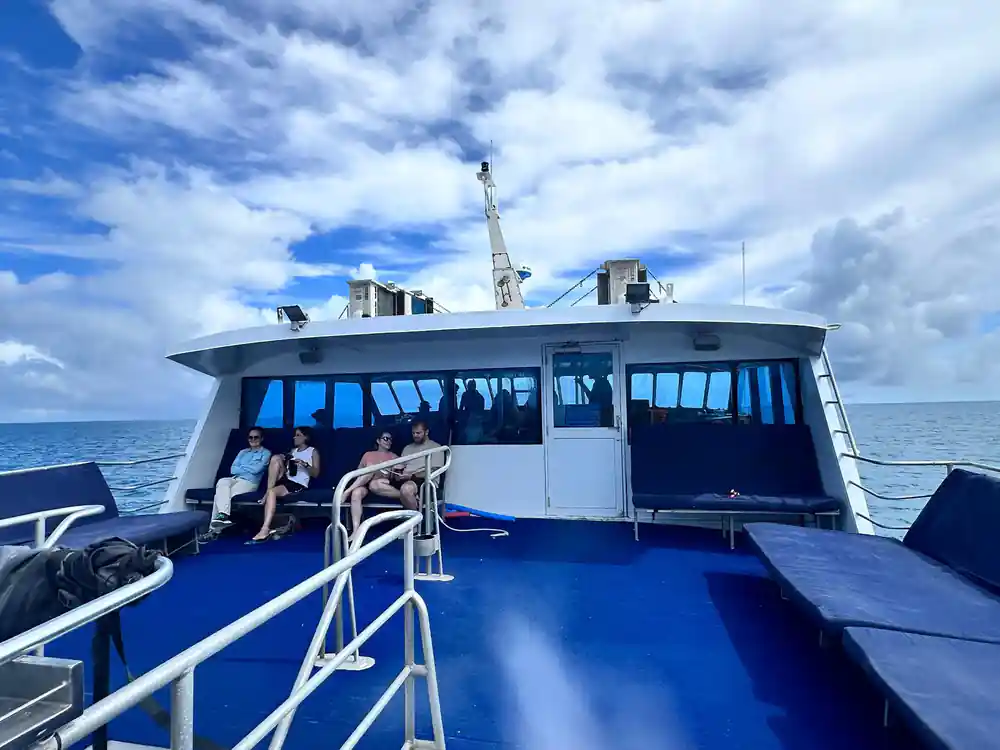
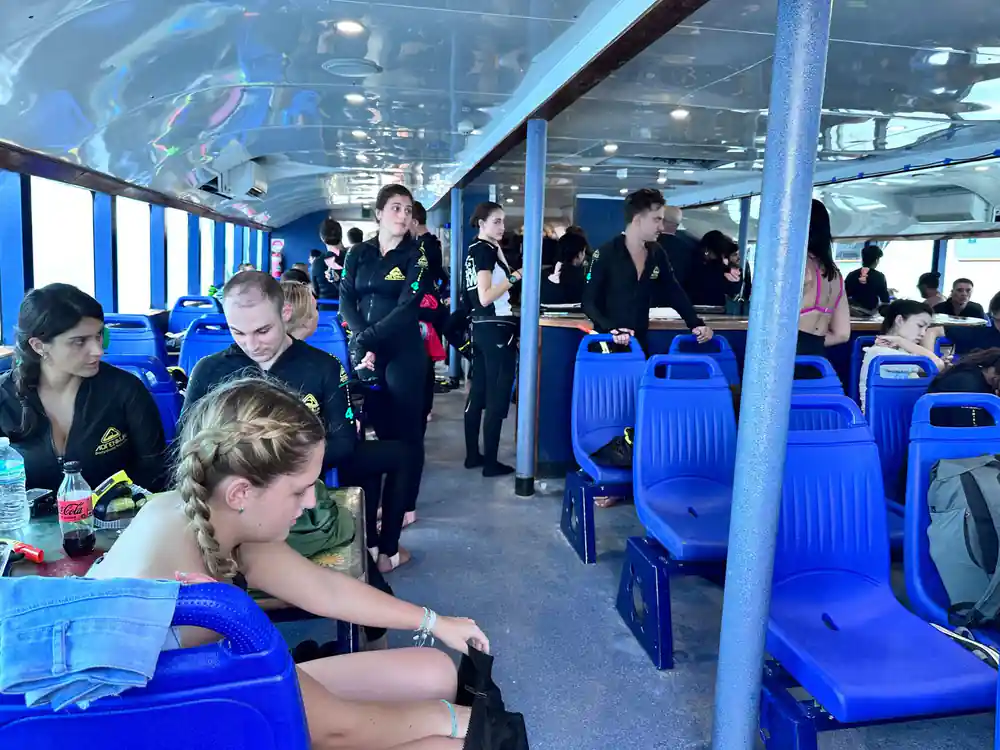
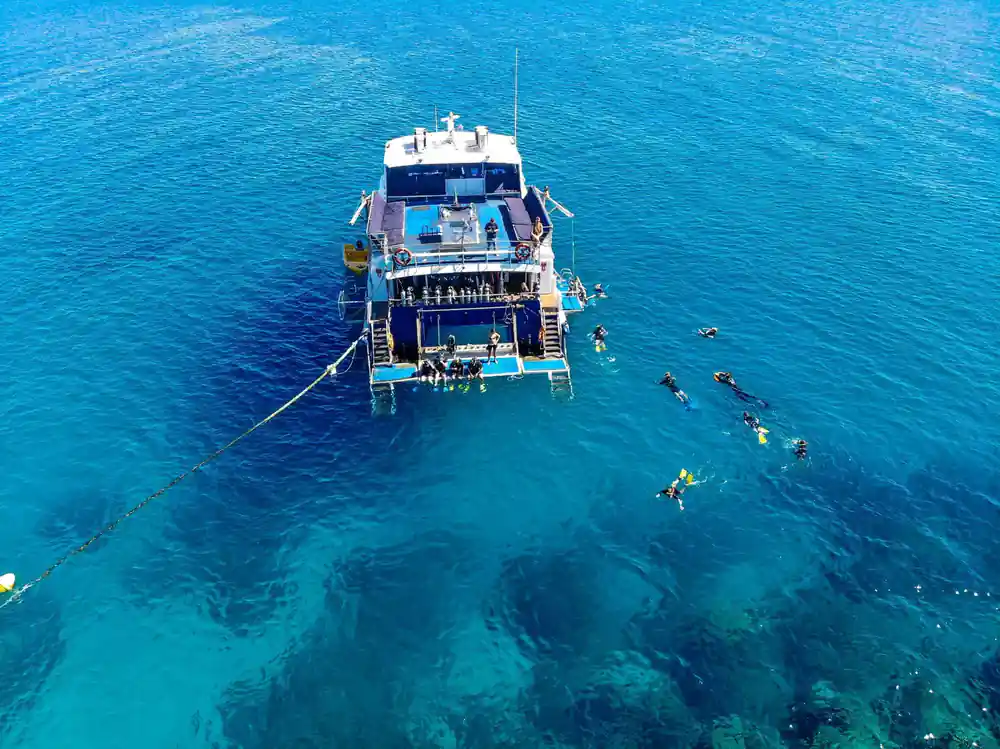
Reef trips out of Cairns are not all the same shape. A fast day boat gets to one or two sites quickly and keeps moving. A large catamaran carries more people at a steadier pace and usually builds in more time to eat and rest between stops. A pontoon stays moored permanently over a single reef, a small dive boat is built around divers rather than snorkellers, and a liveaboard sleeps out on the reef for several days at a time.
None of these is simply the best option. They trade differently on how much of the day is spent moving versus stopped, how many reef sites get visited, and how much of the day is built around diving rather than snorkelling. A traveller who wants to dive more than once in a day is usually better served by a small dedicated dive boat than by a large catamaran built for a broad mix of guests. A pontoon suits someone who wants one stable platform for the whole day rather than moving between sites, and a liveaboard suits someone who wants several days on the water rather than one.
What a full day on this catamaran involves
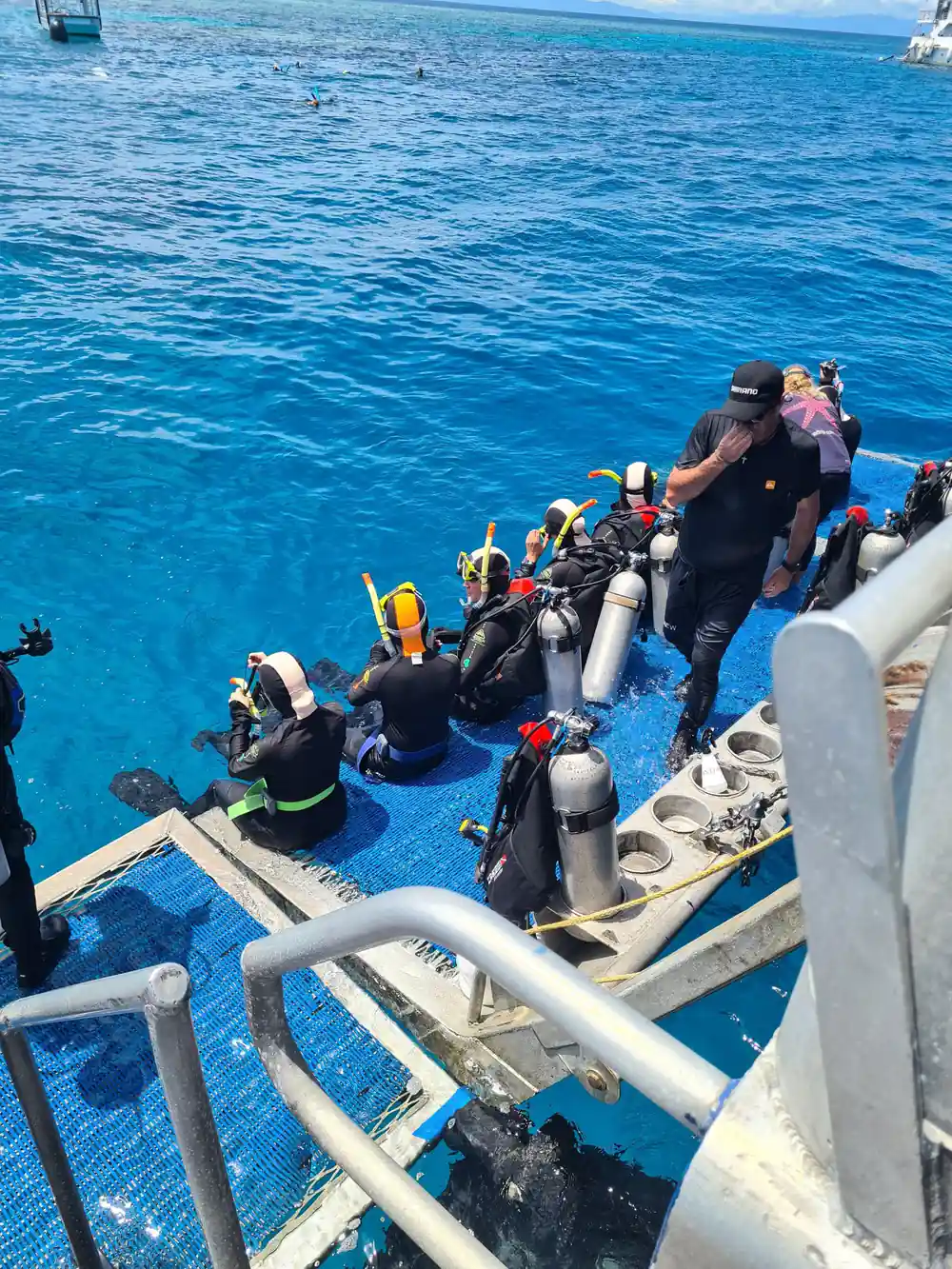
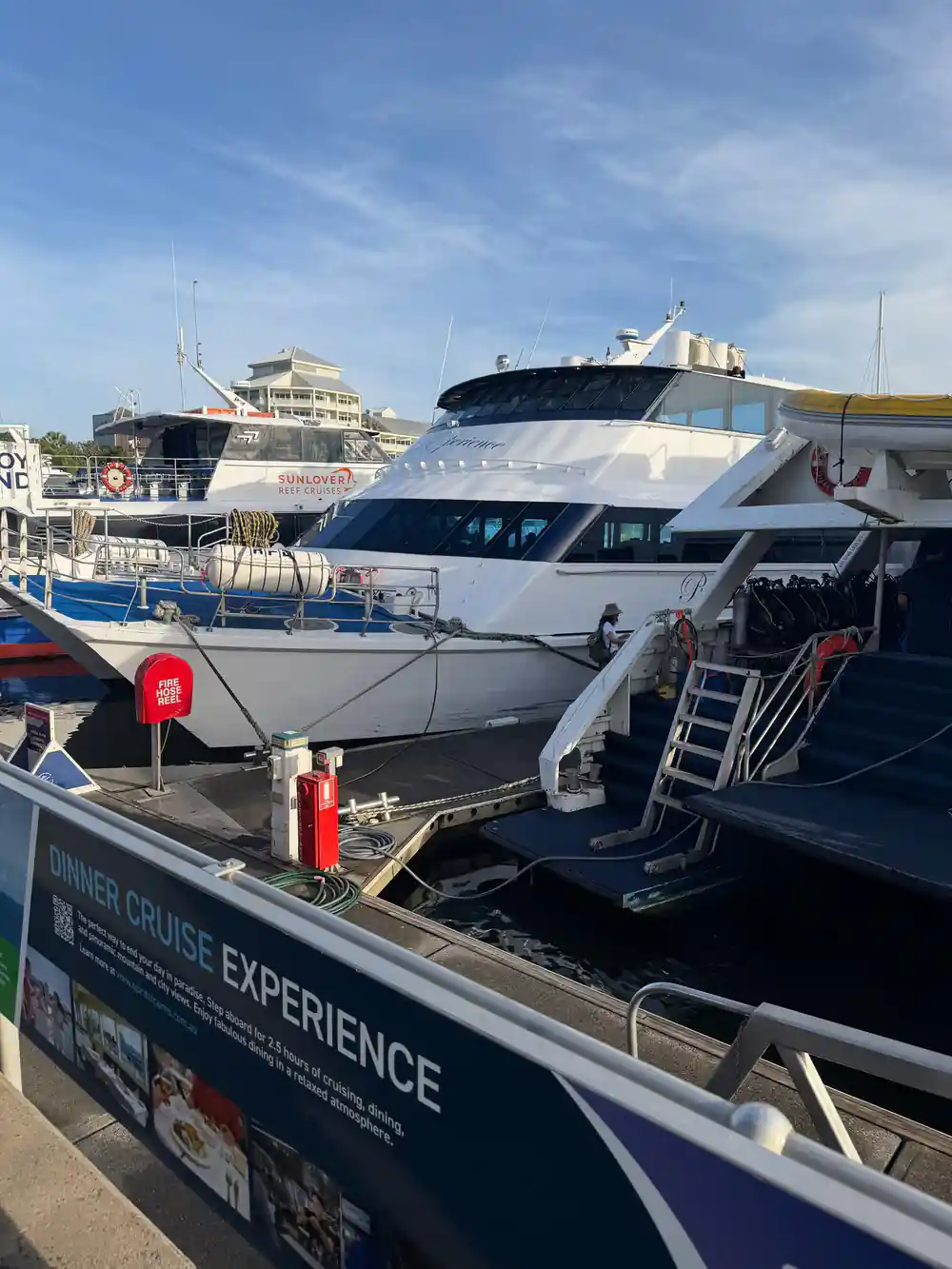
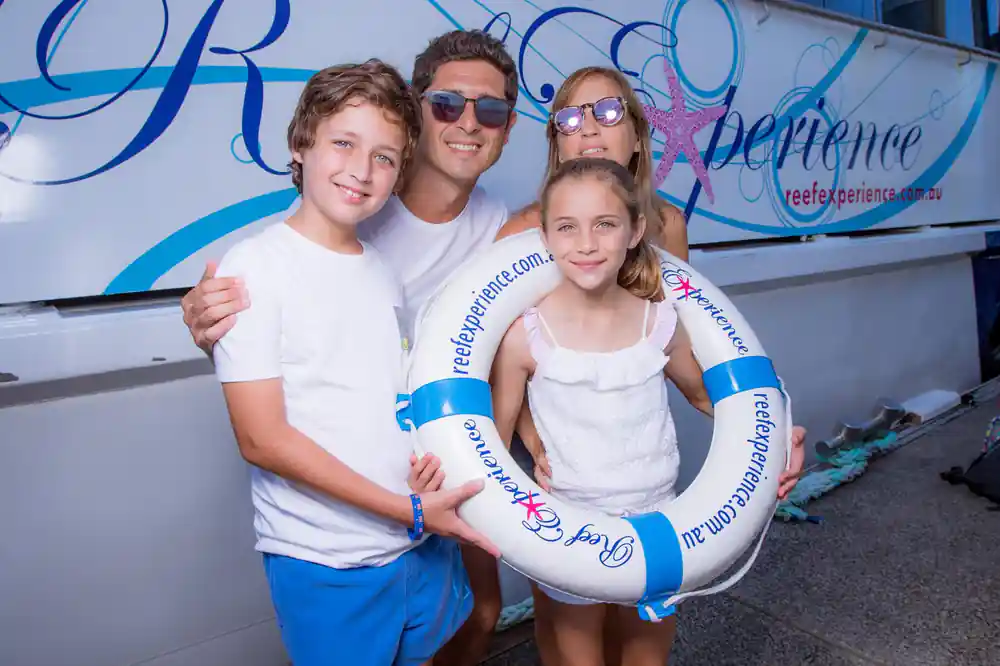
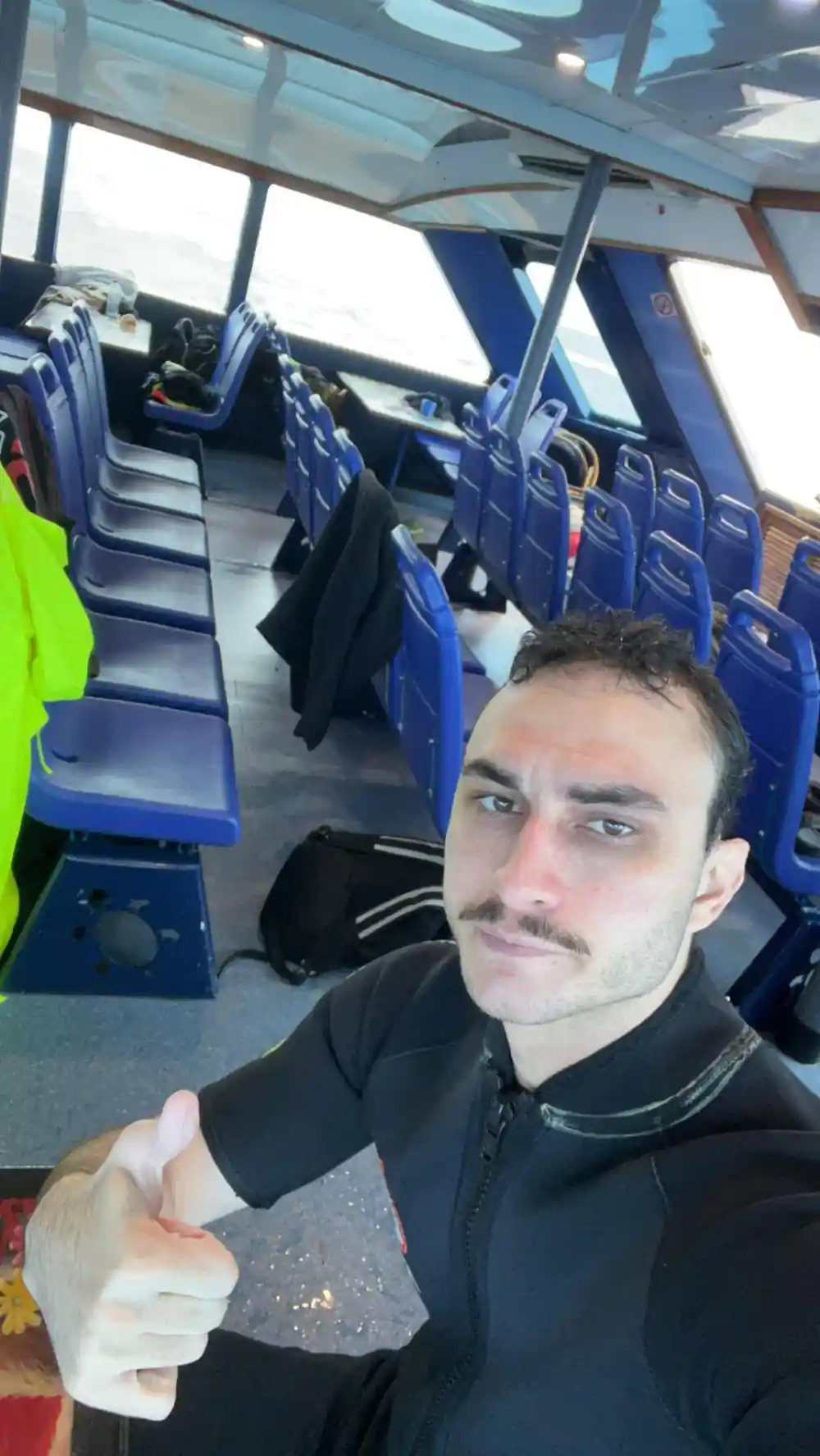
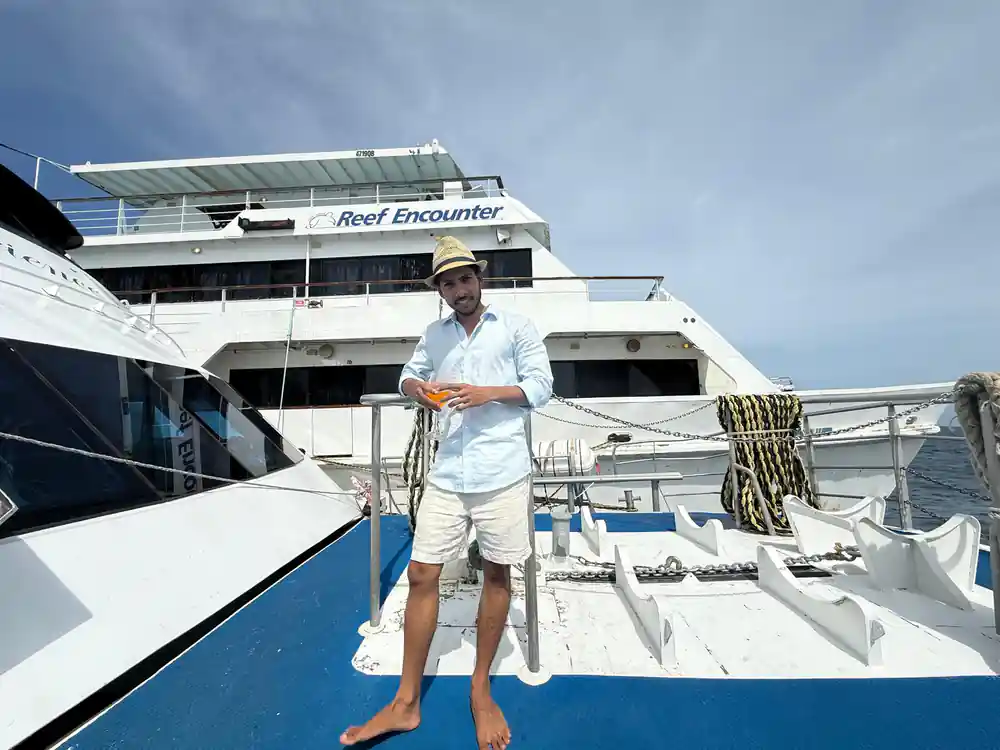
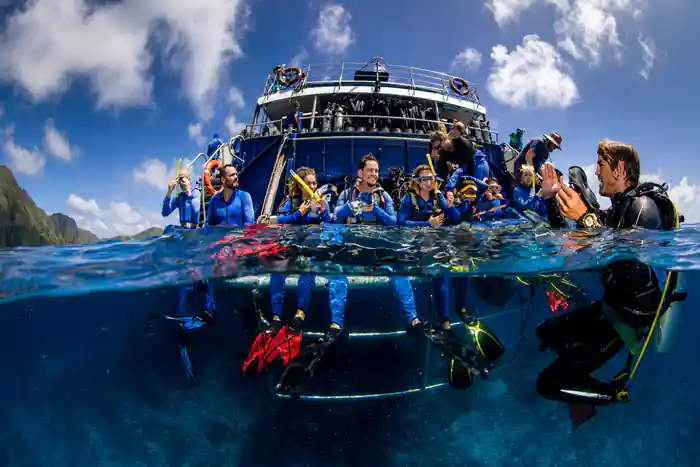
Board directly at the vessel, Reef Experience, at A Finger in the Cairns Marlin Marina. Check-in is at 7:30 in the morning, and the boat leaves the dock at 8:00 sharp. Bring swimwear, a towel, and diving certification if a certified dive is planned; everything else needed for the day is provided on board.
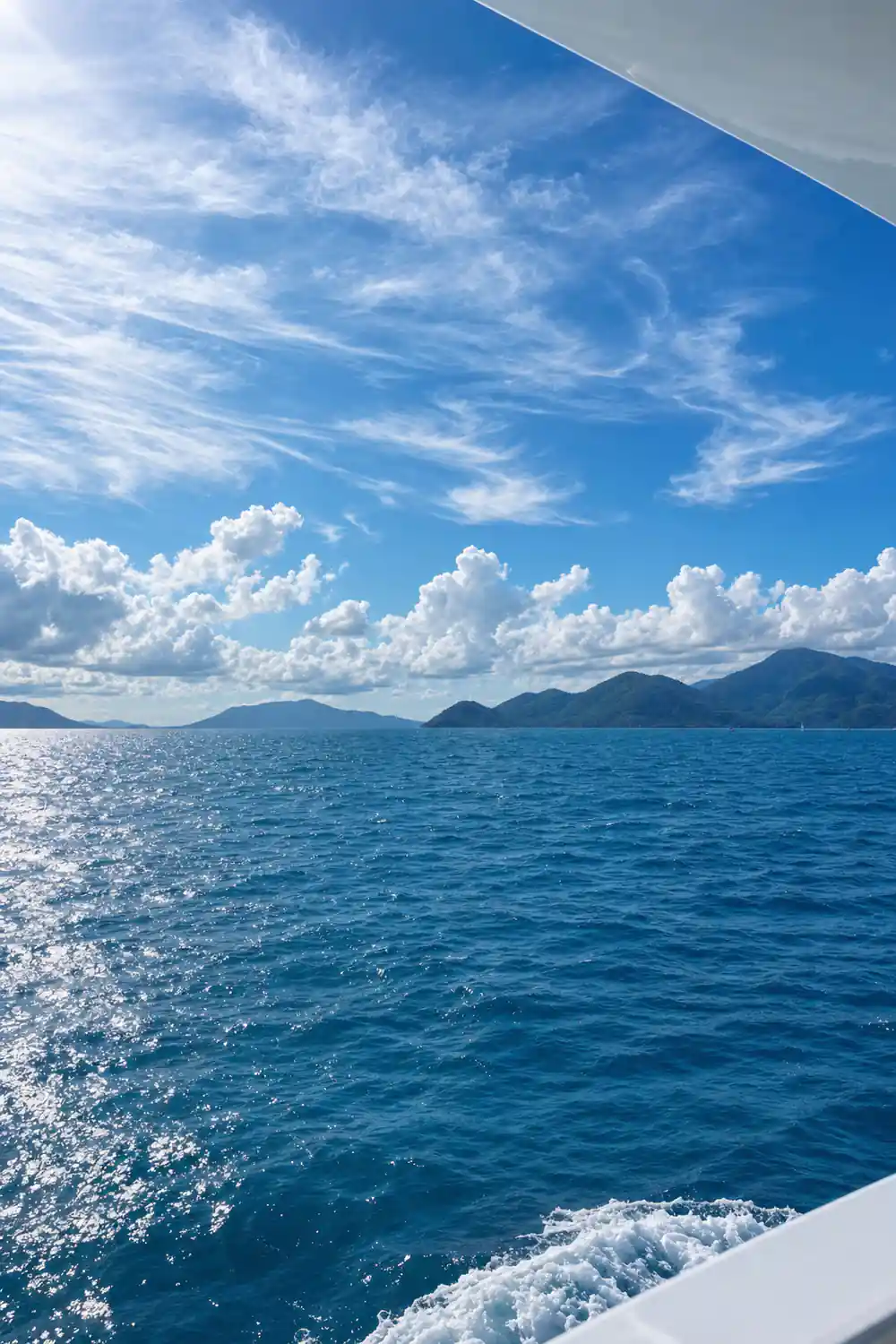
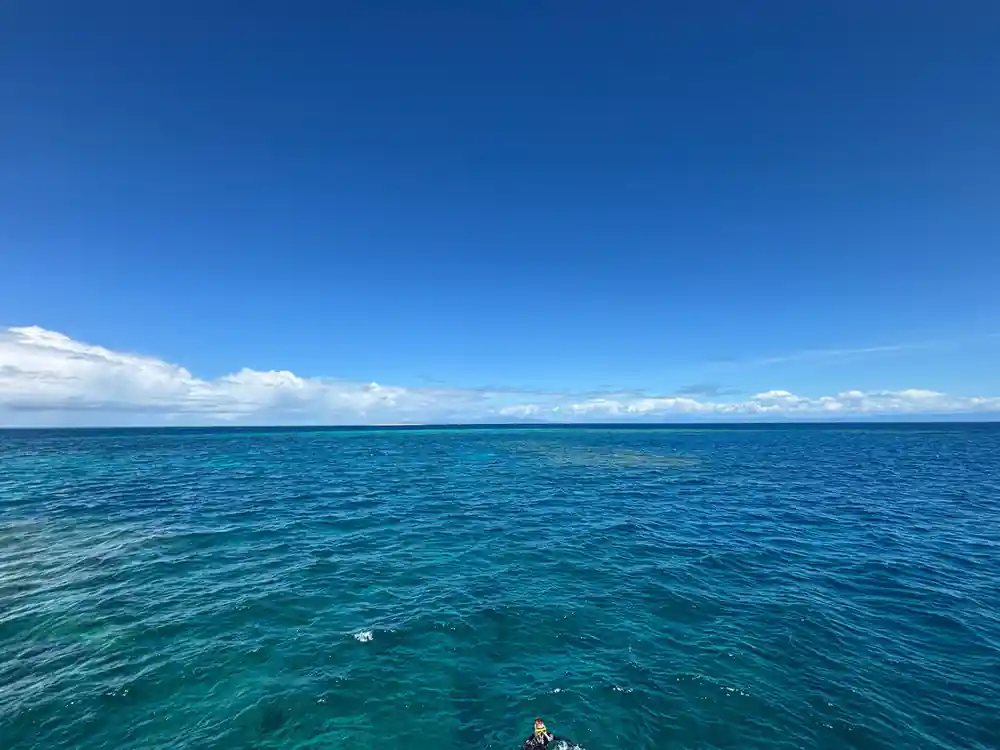
The published itinerary runs an hour and a half out to the reef by catamaran, thirty minutes for a cooked breakfast once the boat is moored, an hour for lunch at the reef later on, and another hour and a half back to Cairns. The catamaran calls at two separate reef sites, weather dependent.
The dive: certified, or a first attempt
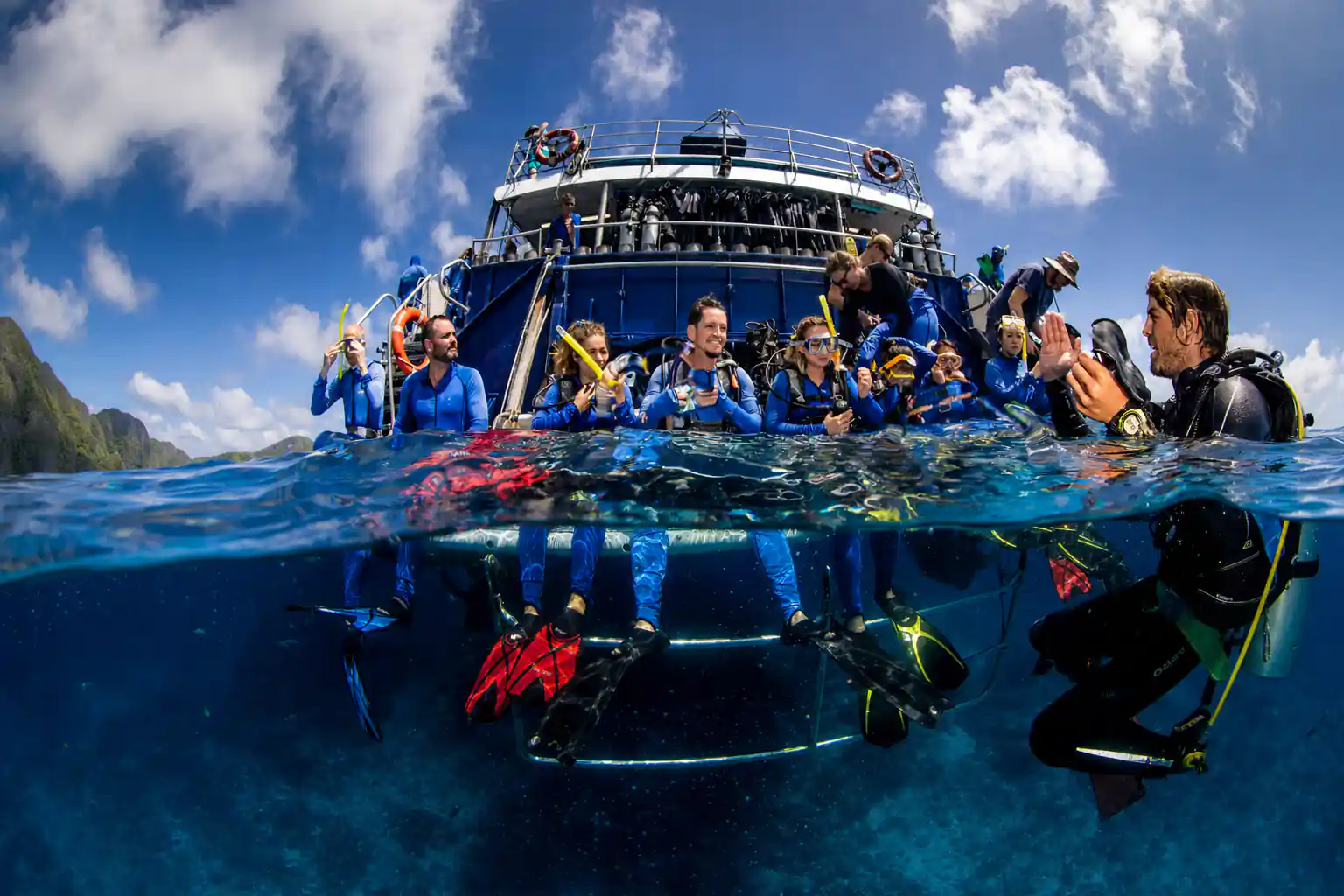
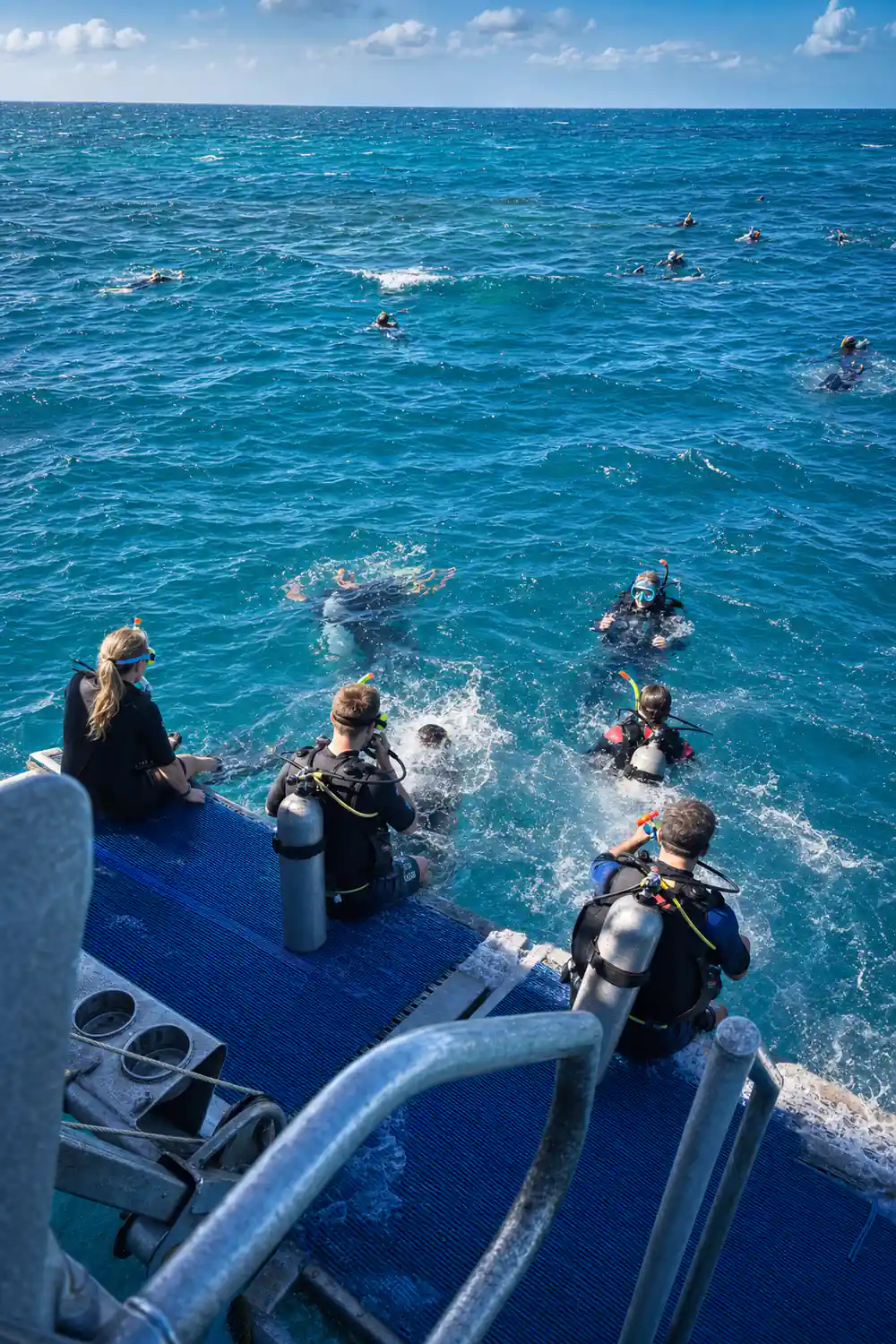
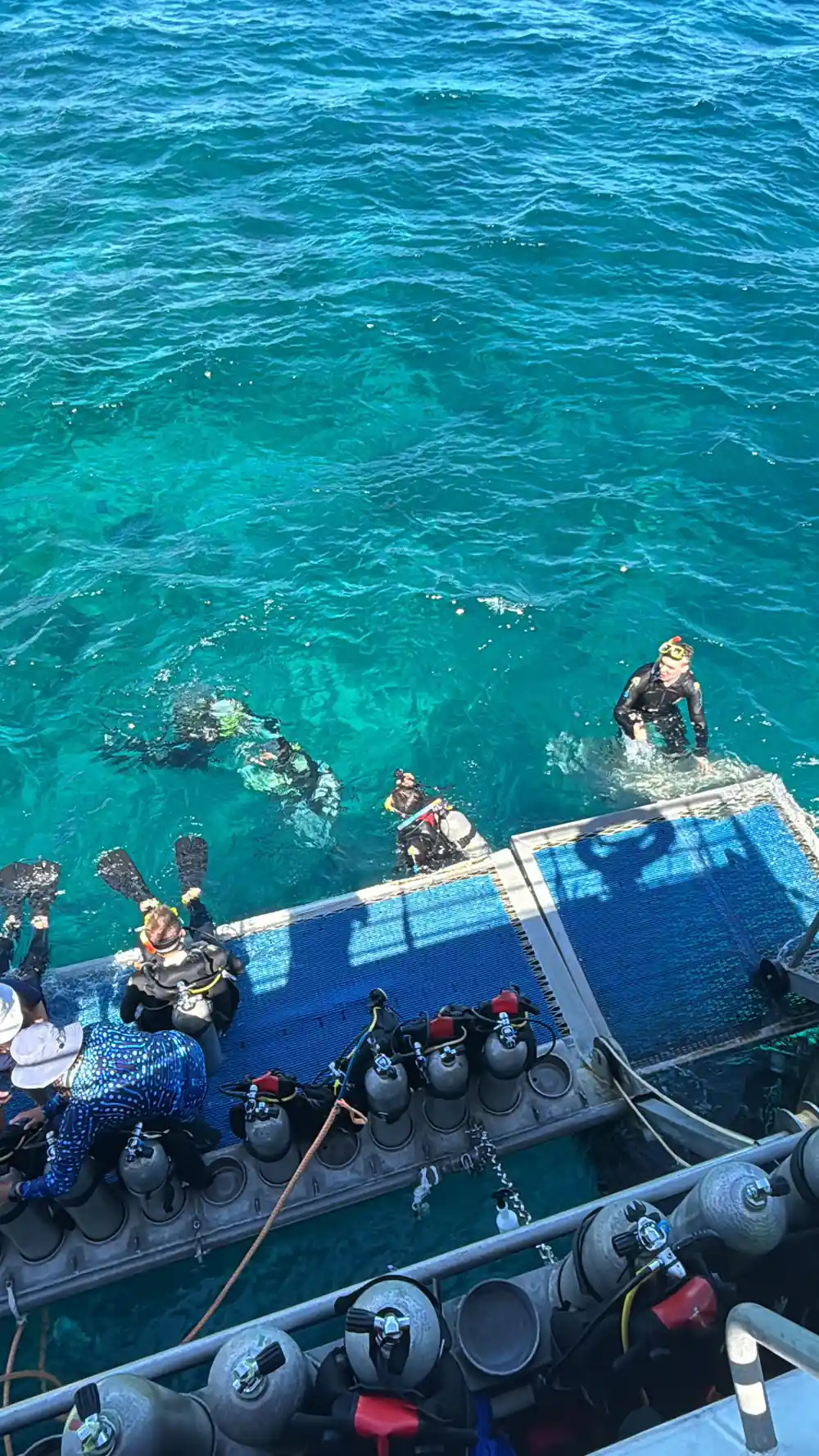
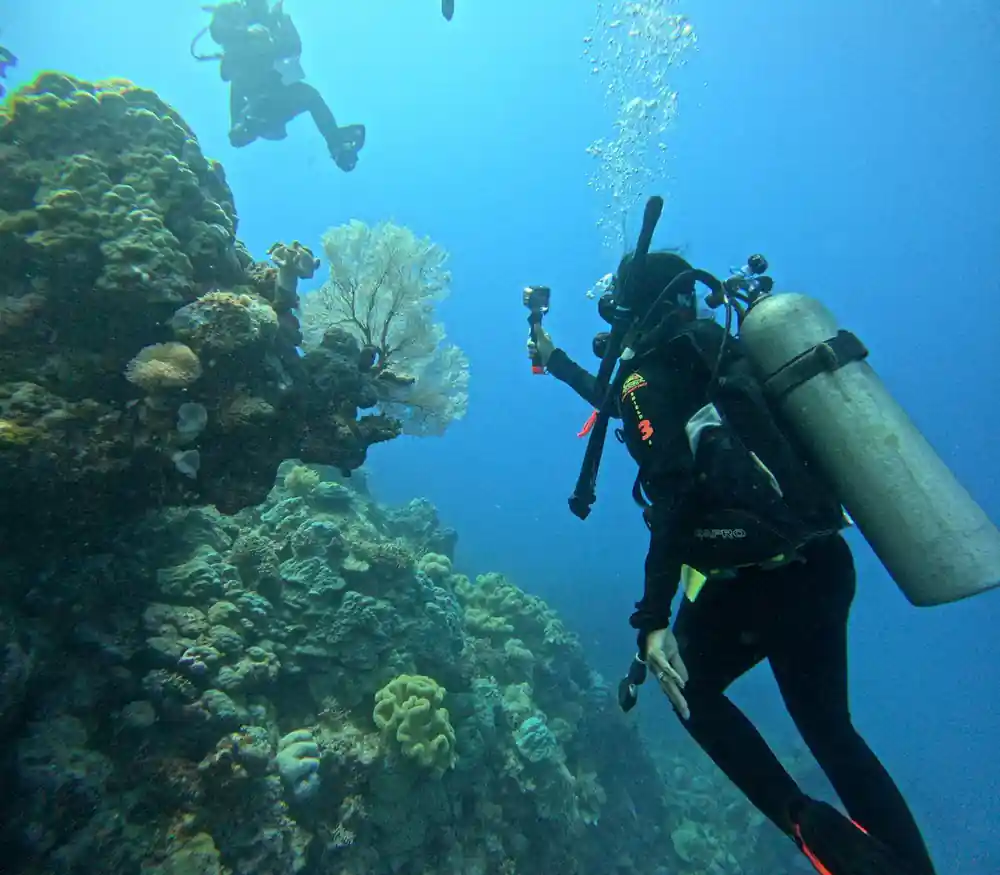
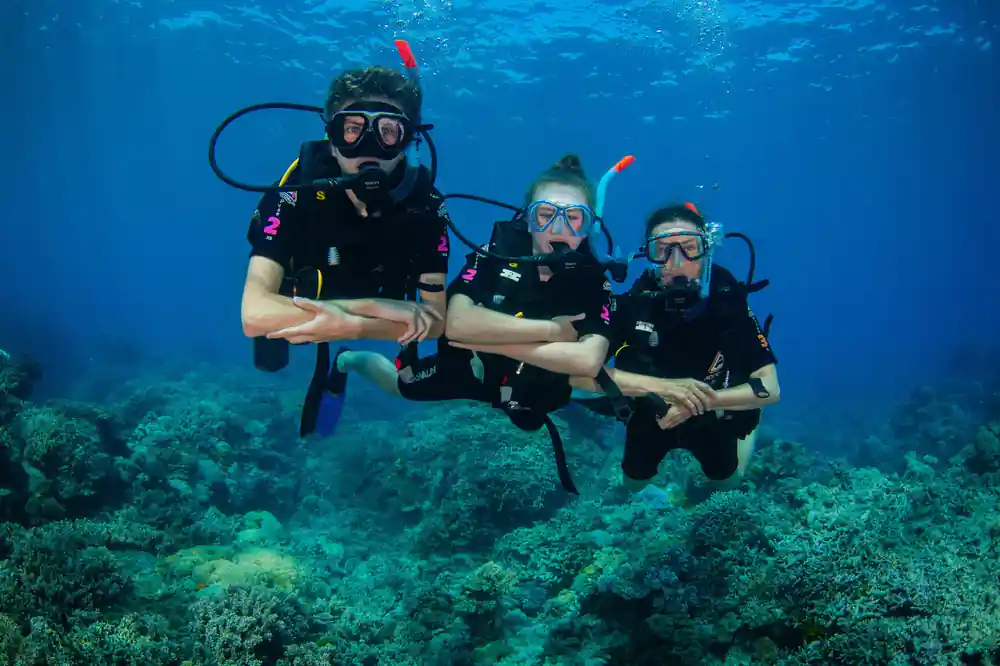
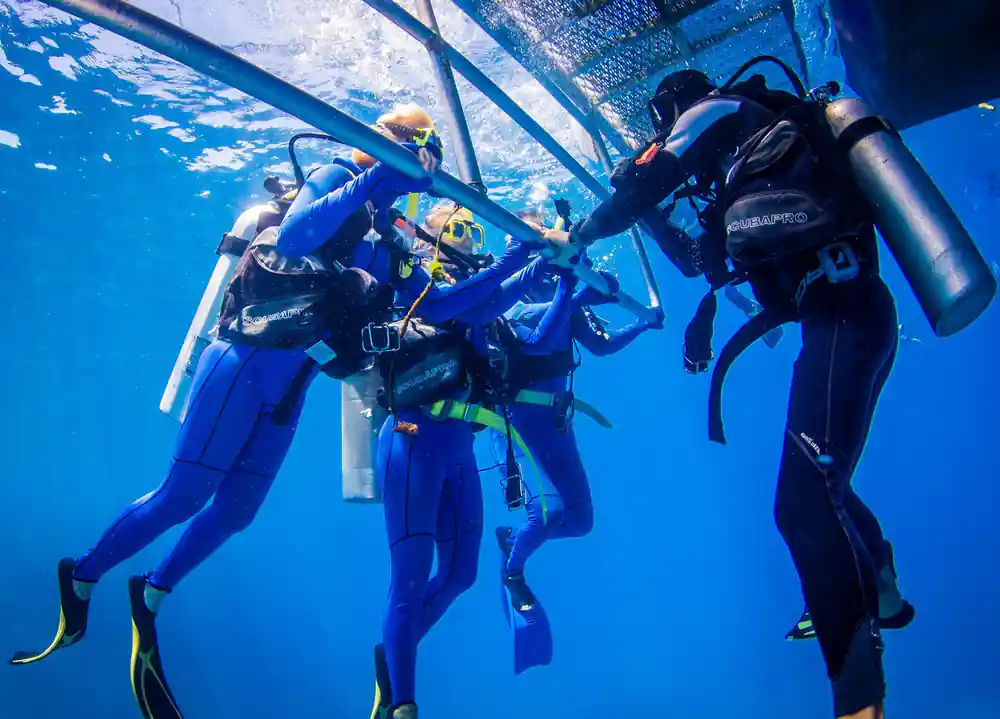
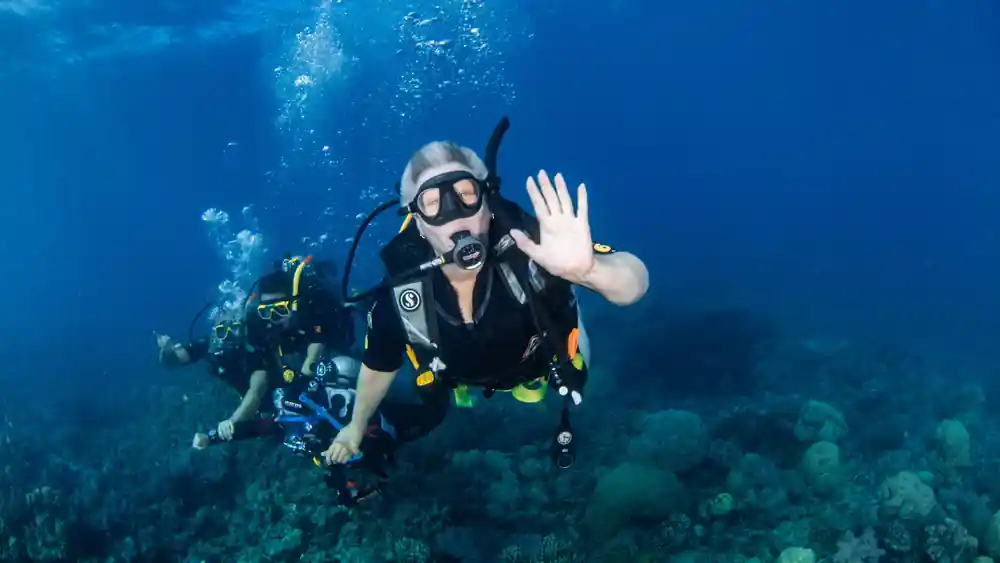
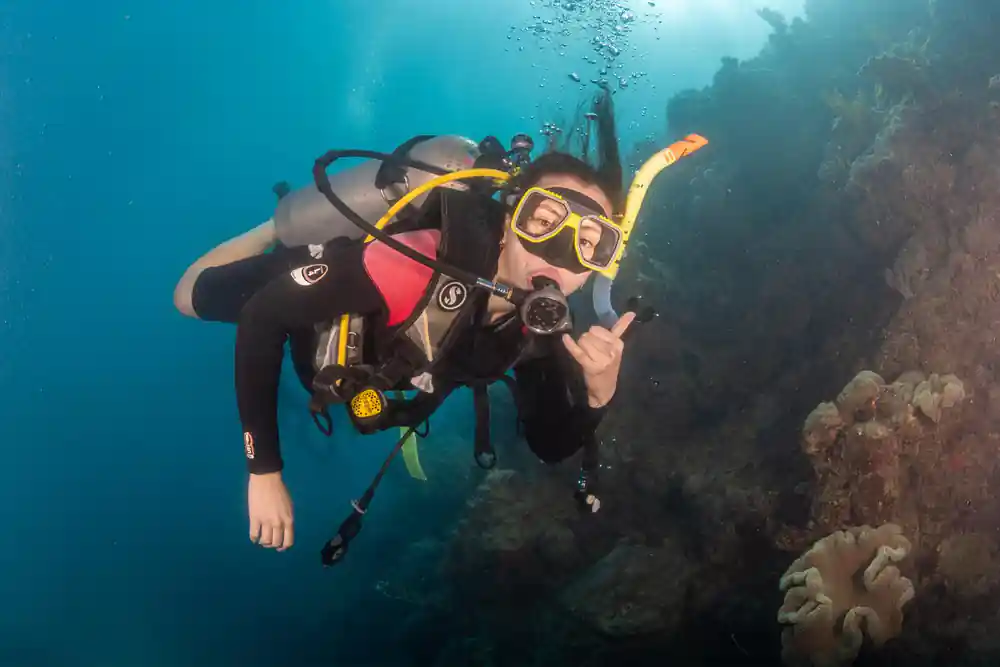
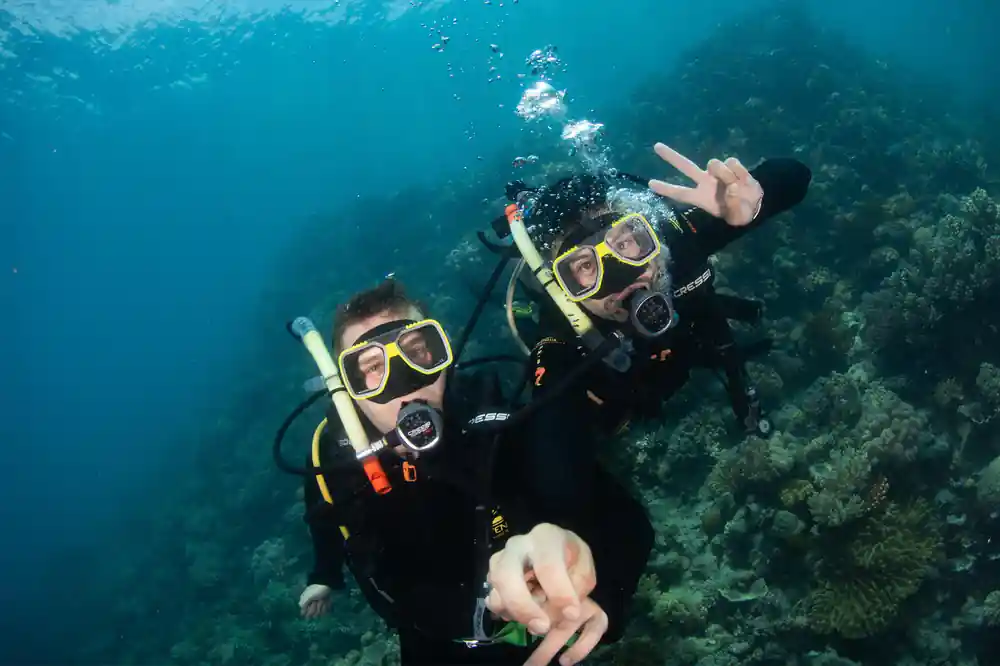
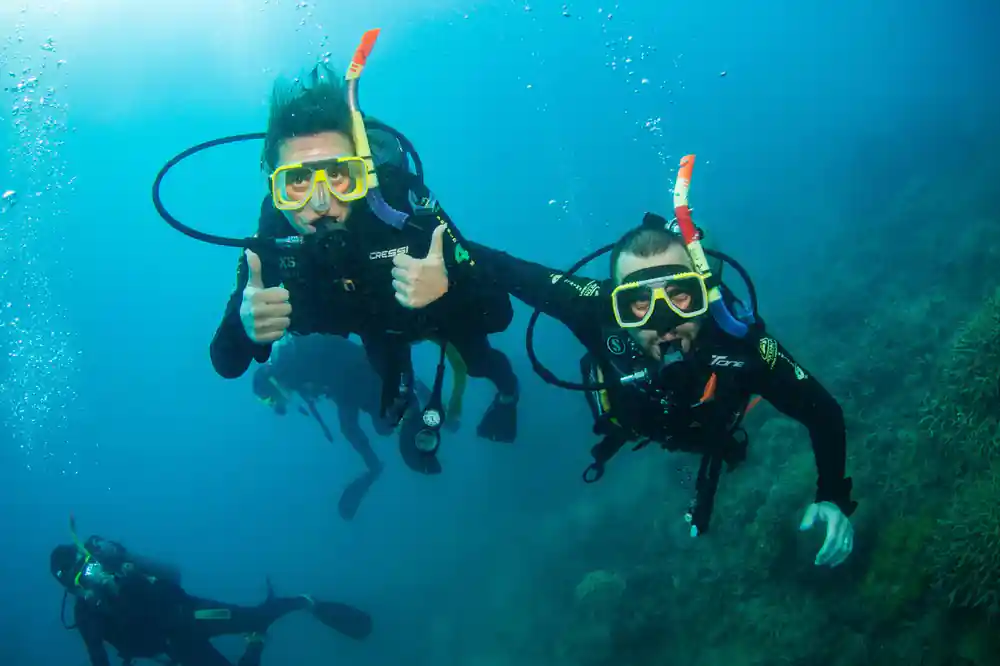
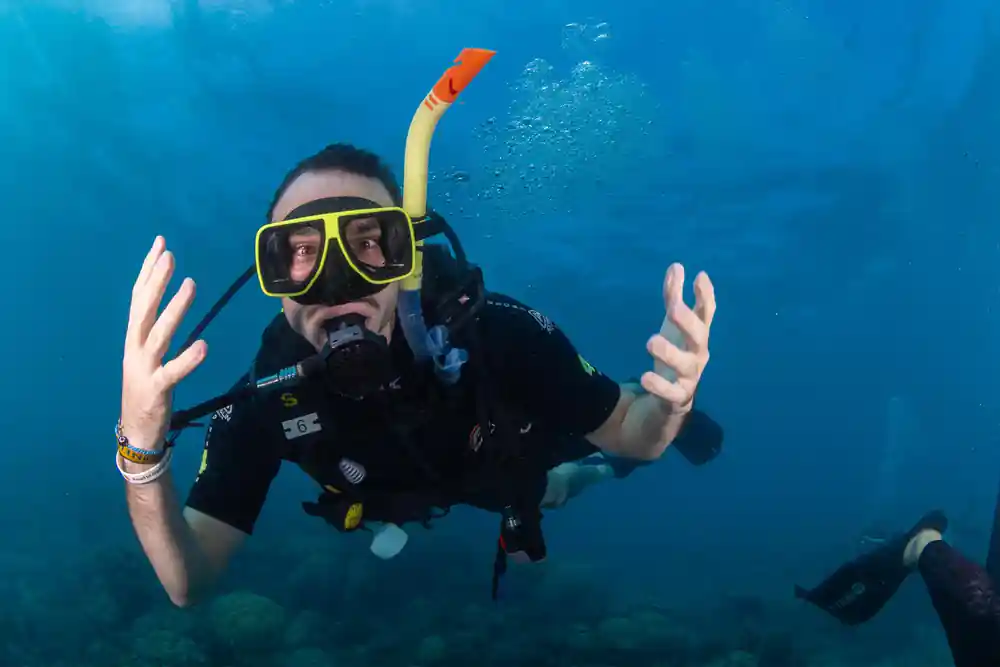
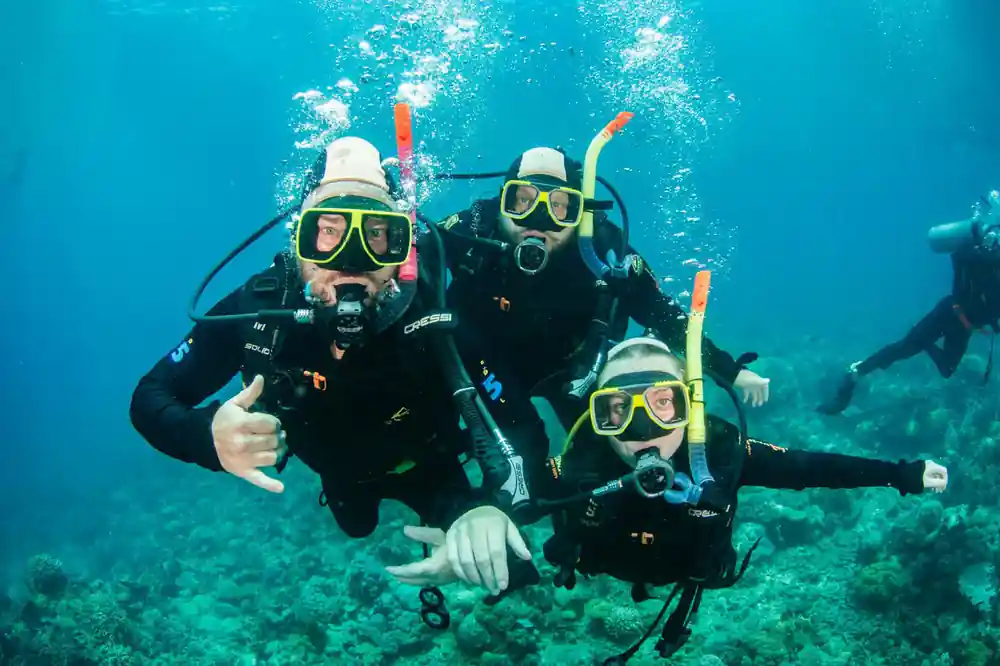
One scuba dive is included in the day, and there are two ways to take it. A certified diver shows proof of their qualification and dives at their own level. Someone with no qualification can instead do an introductory dive, a short supervised dive with an instructor after a briefing, done in shallow water. It is not a course and it does not produce a certification of its own.
The minimum age for the introductory dive is 12, and anyone under 16 needs a parent or guardian with them. A 16 or 17 year old can travel with prior written parental consent and the relevant liability forms signed in advance. Certain medical conditions and medications can rule diving out altogether, and cameras are not permitted on a first introductory dive, which is Queensland law rather than the operator's own preference.
Snorkelling, food, and what is on board
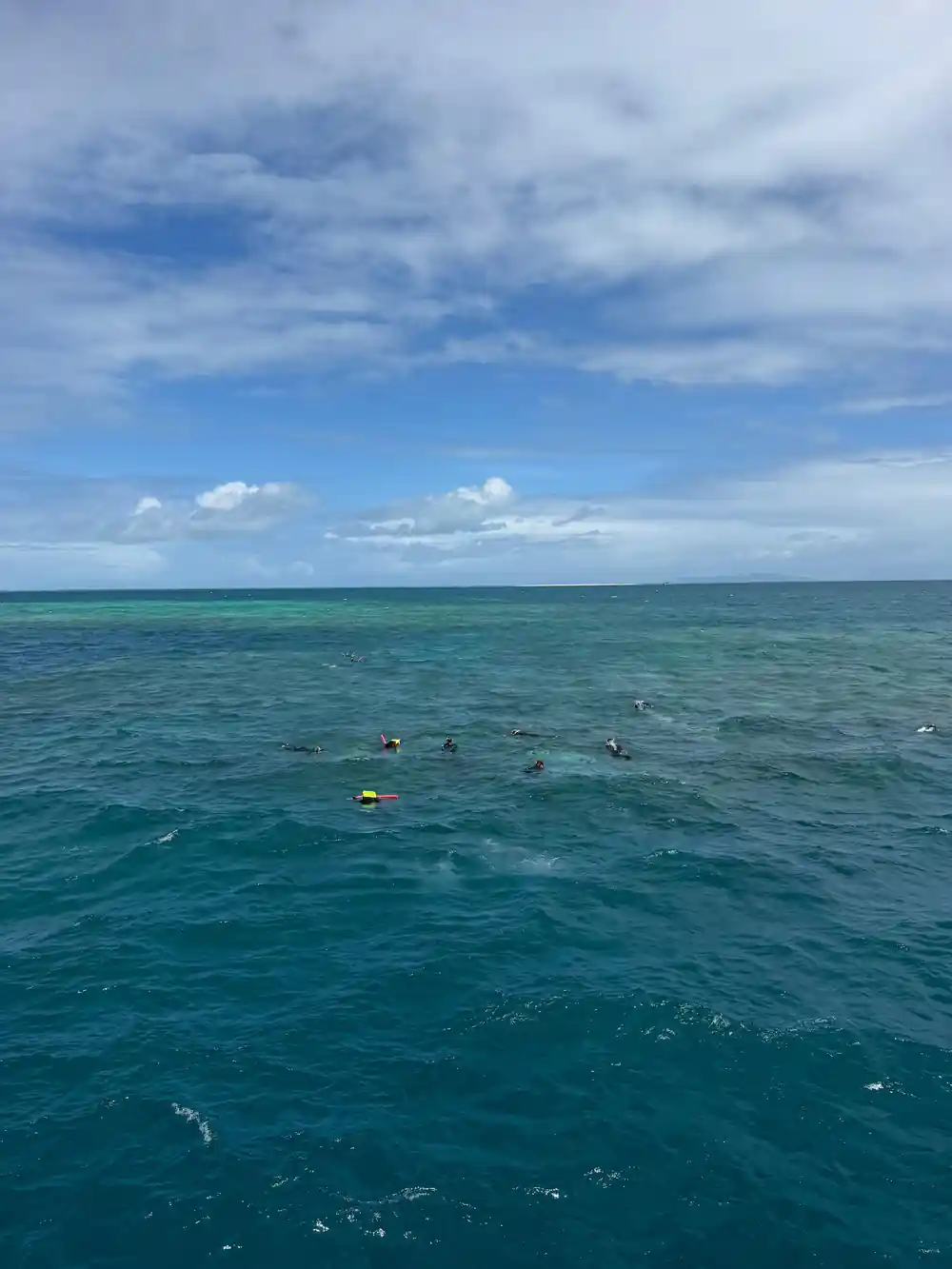
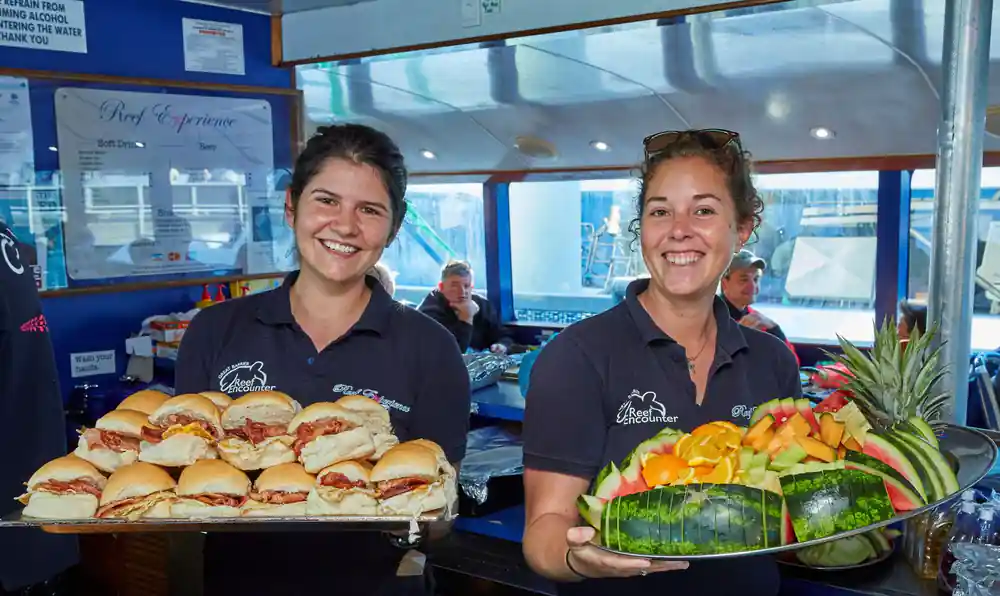
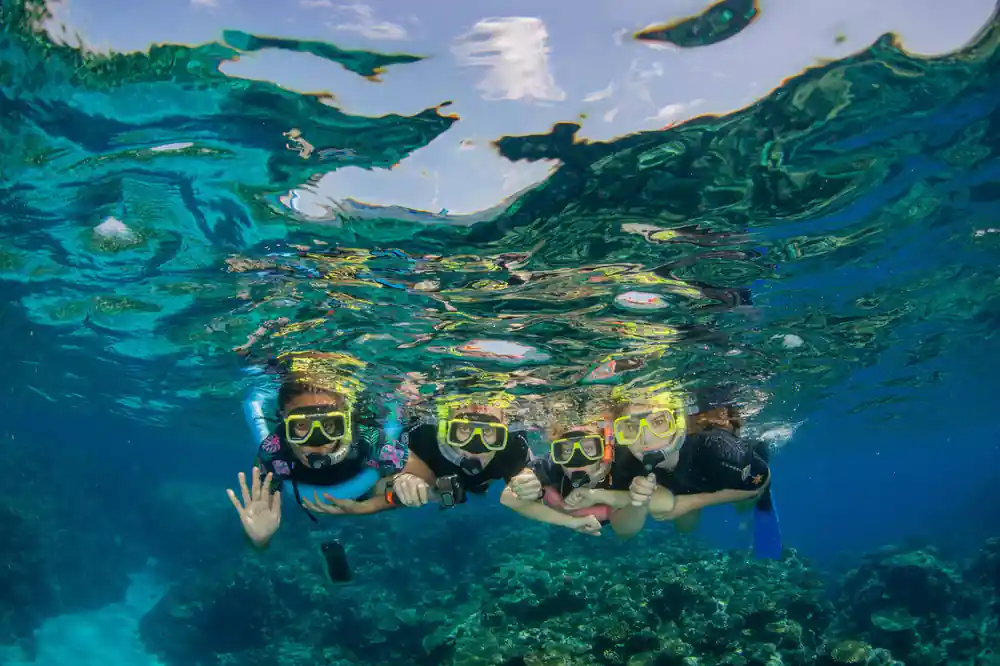
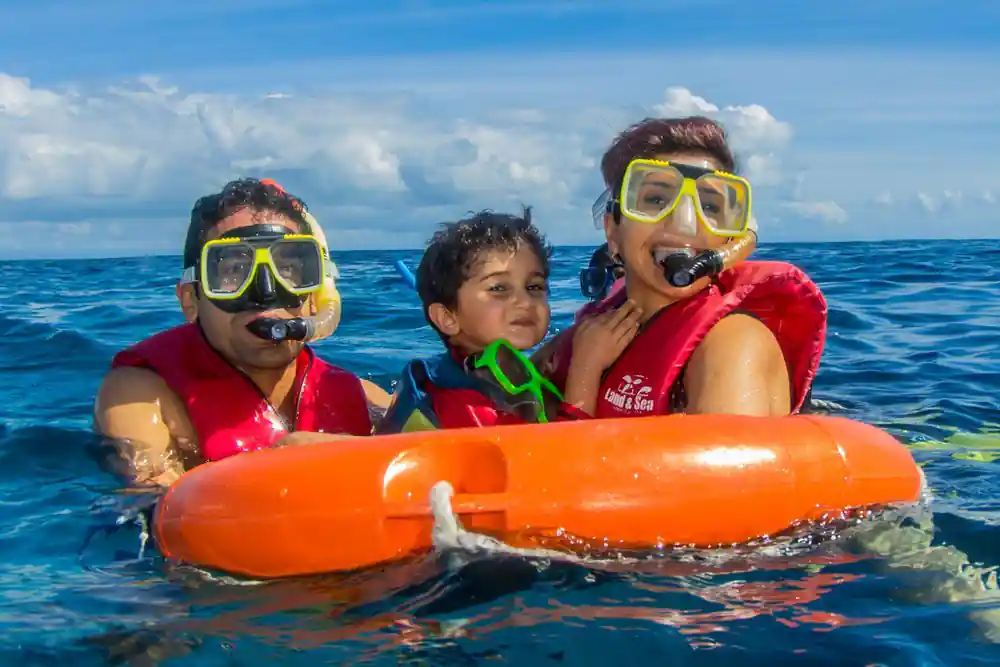
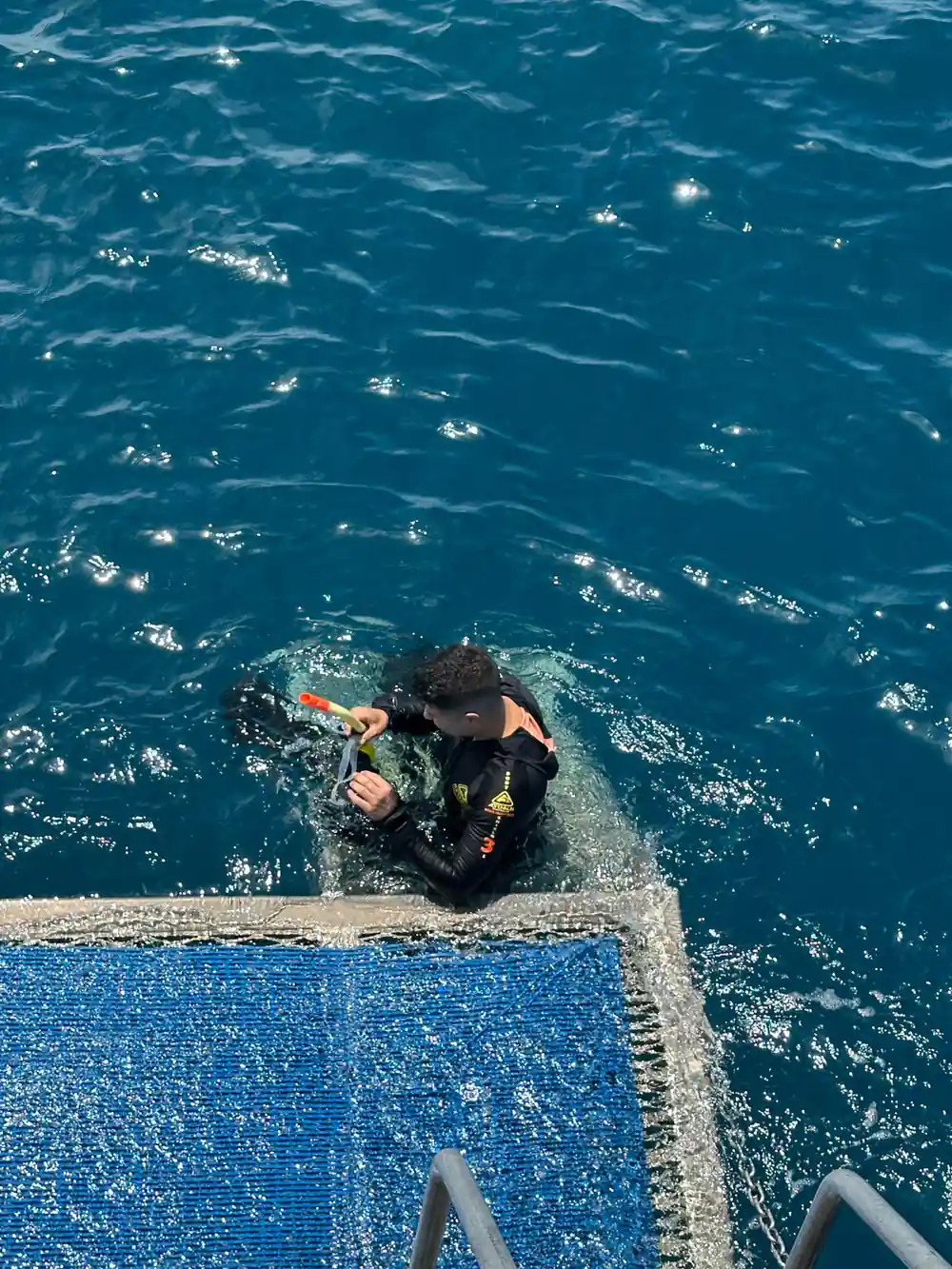
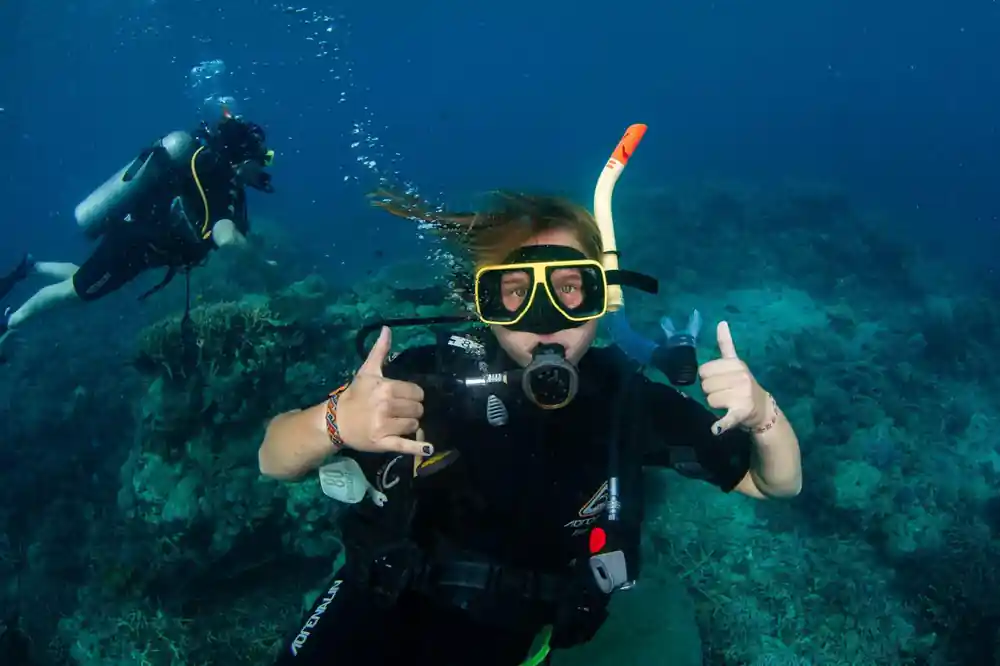
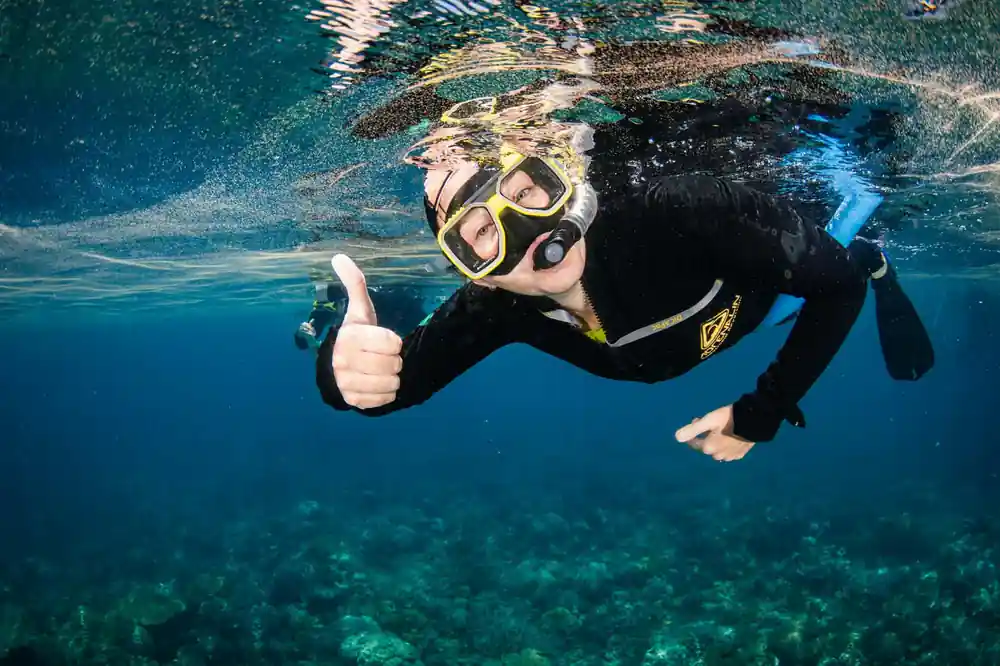
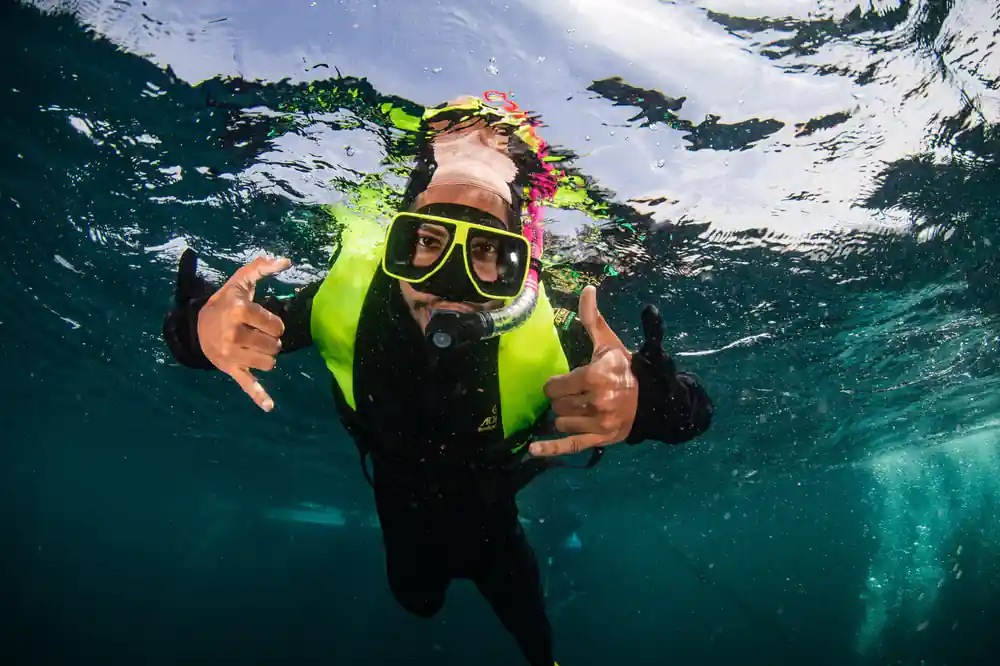
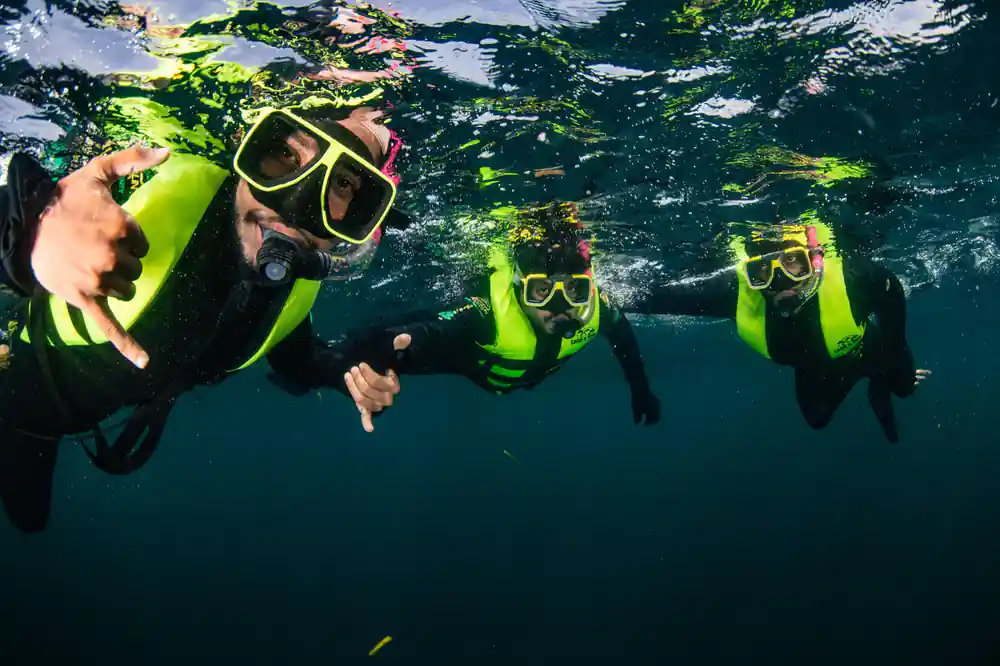
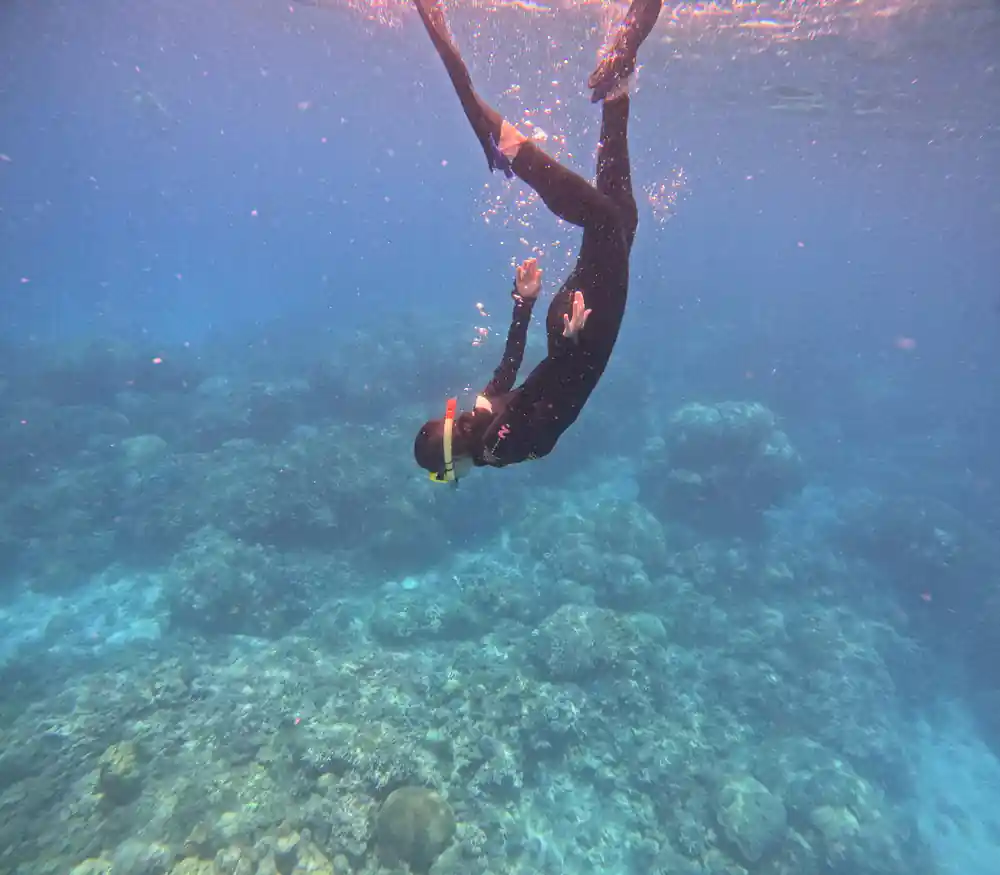
Snorkelling is unlimited across the day and has nothing to do with whether someone dives, including at the second reef site later on. Tea and coffee are available all day whenever the boat is moored, and a bacon and egg roll is cooked on board for breakfast. A resident marine biologist gives a presentation on the way out, before the first stop.
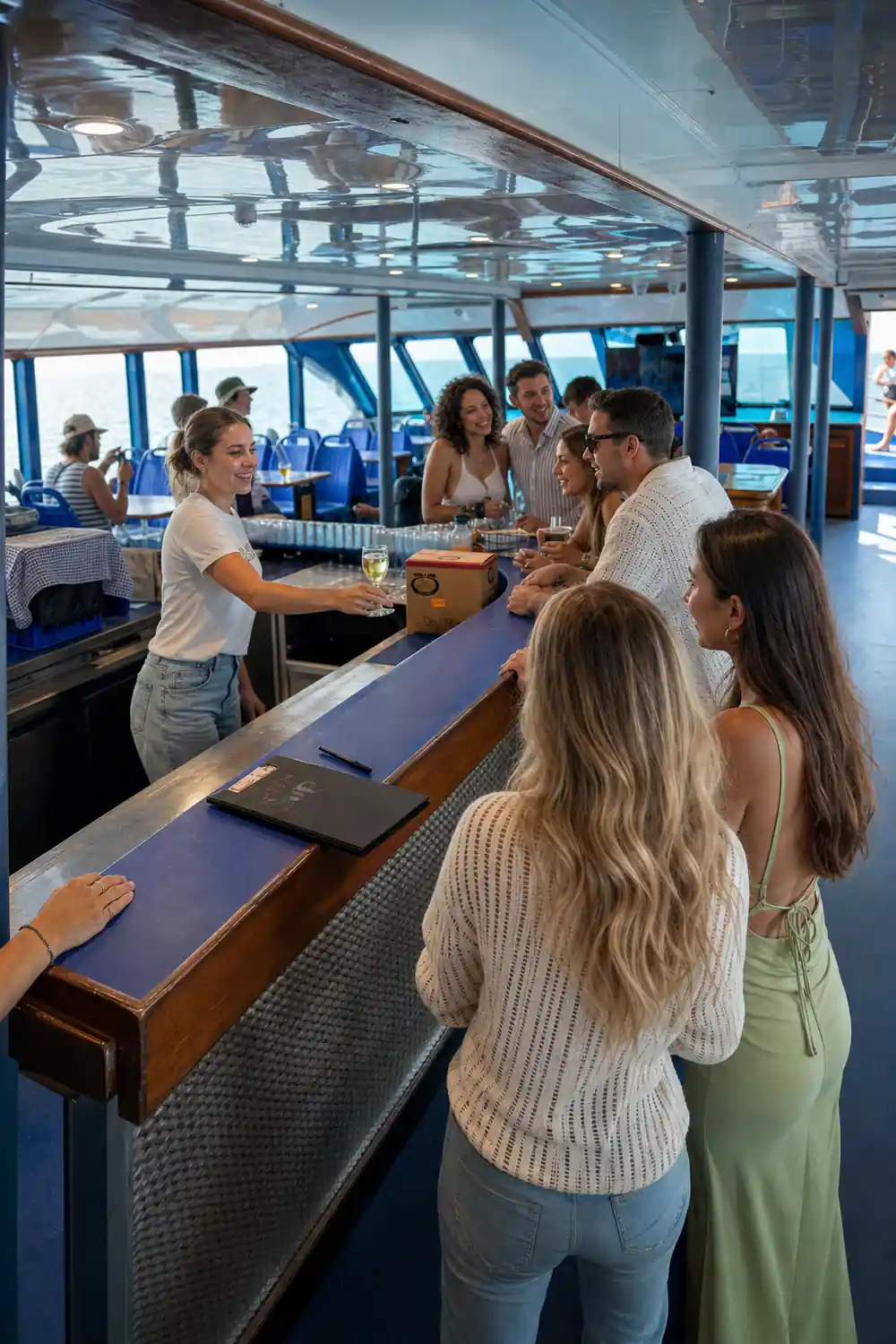
Lunch is a freshly prepared barbecue of meat, vegetables and salads, and a glass of wine with cheese and crackers is served on the way back. Additional dives beyond the one included, a dedicated guide for certified divers, camera hire and professional photography are not part of the day. A fuel levy applies to every booking, and a peak season surcharge applies on certain dates.
Who this suits, and who should look elsewhere
This is not a trip for anyone with a mobility impairment, a heart condition, a respiratory condition or epilepsy. Dietary requirements are catered for when flagged at booking, and the operator asks guests to call 24 hours ahead to reconfirm.
Anyone weighing up a different format because of a physical limitation, a wish to dive more than once, or a preference for a slower day on the water is asking a fair question. A pontoon, a smaller dive boat or a liveaboard can suit those needs better than a single full day on a large catamaran. It is worth checking directly with an operator before booking, rather than assuming any one boat is the right fit.
The reef itself, and the season
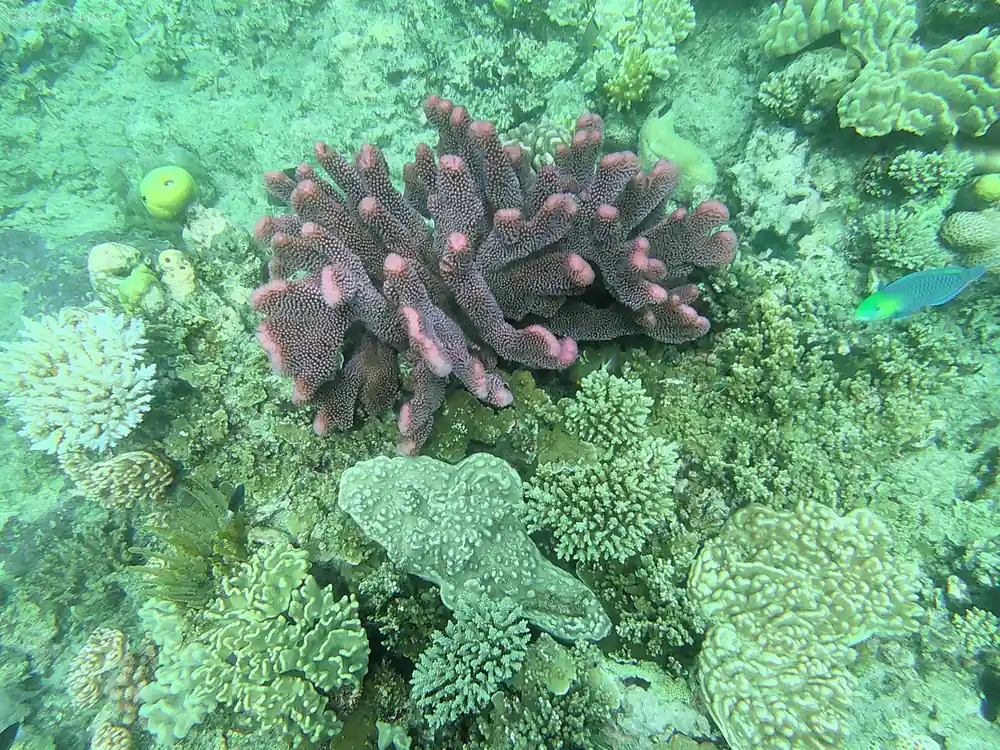
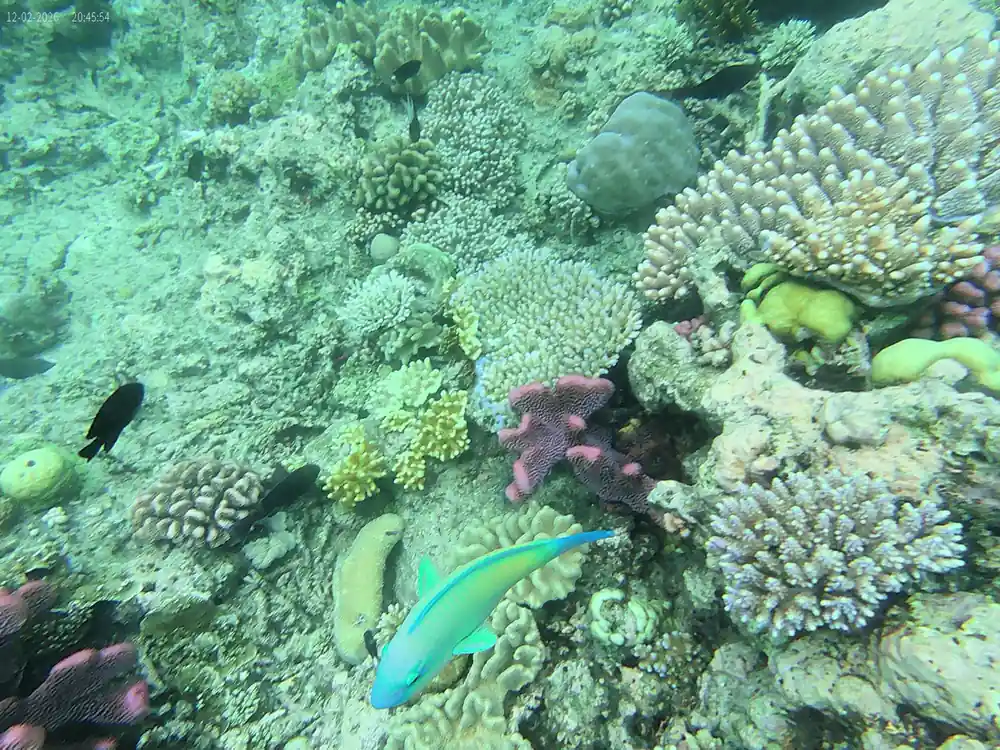
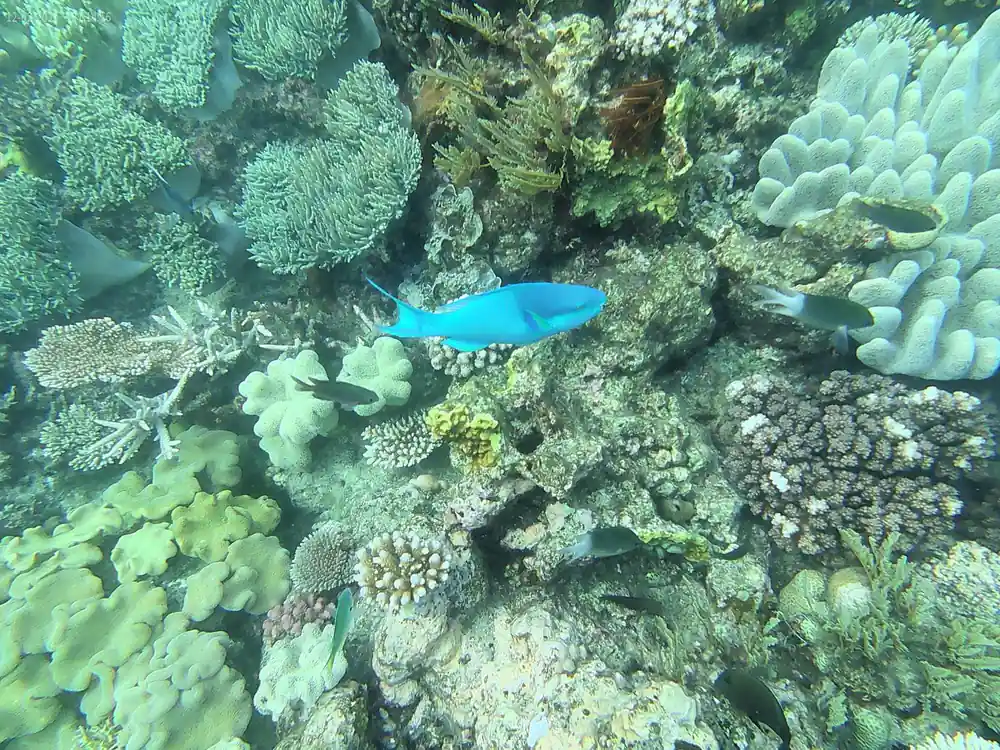
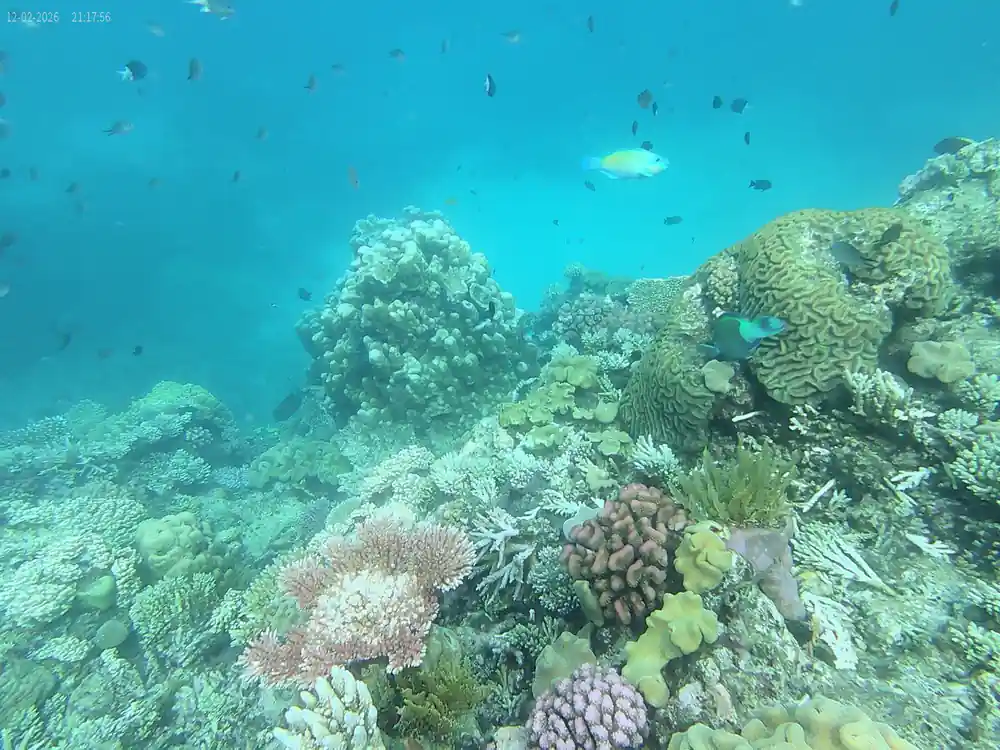
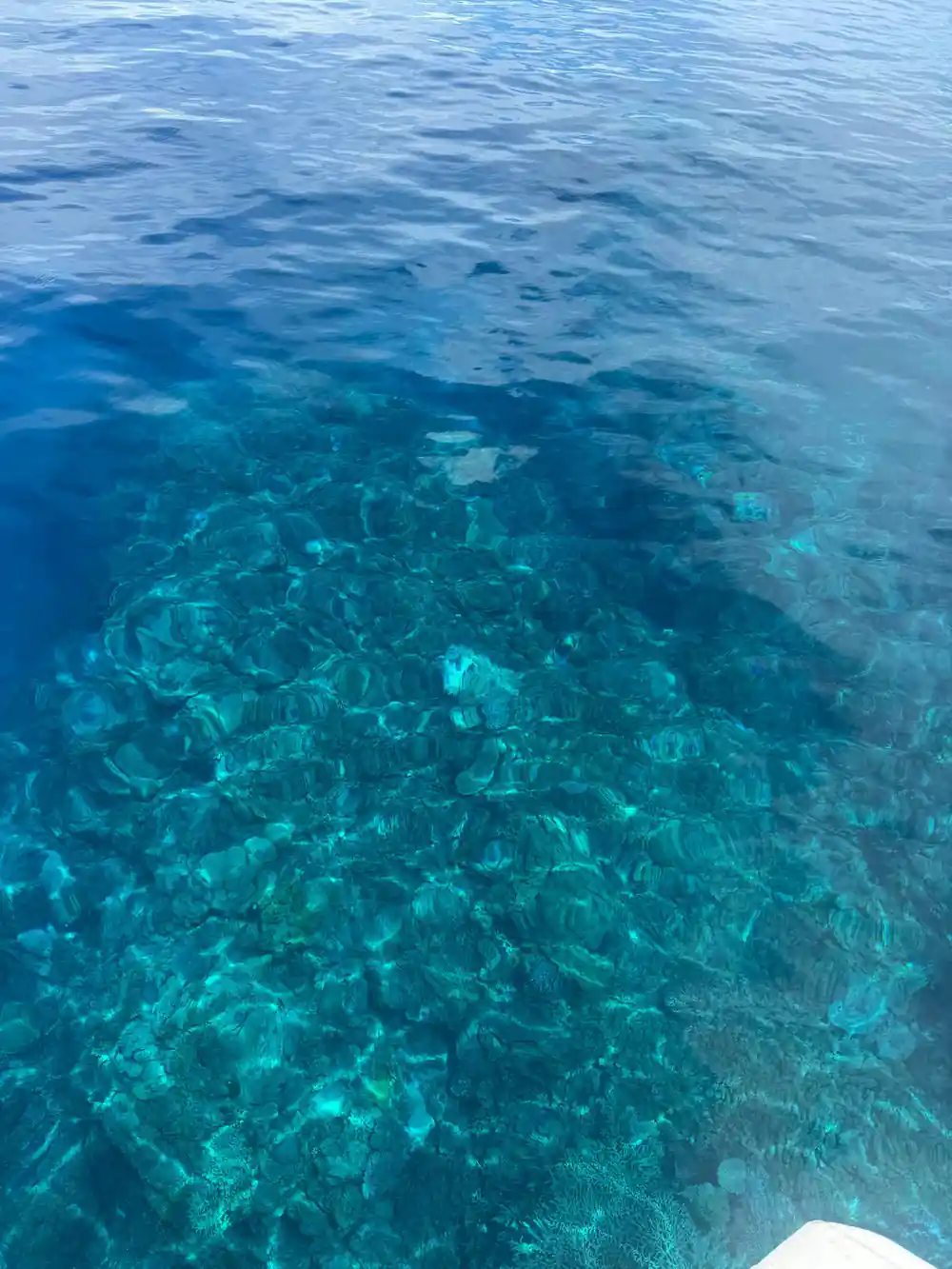
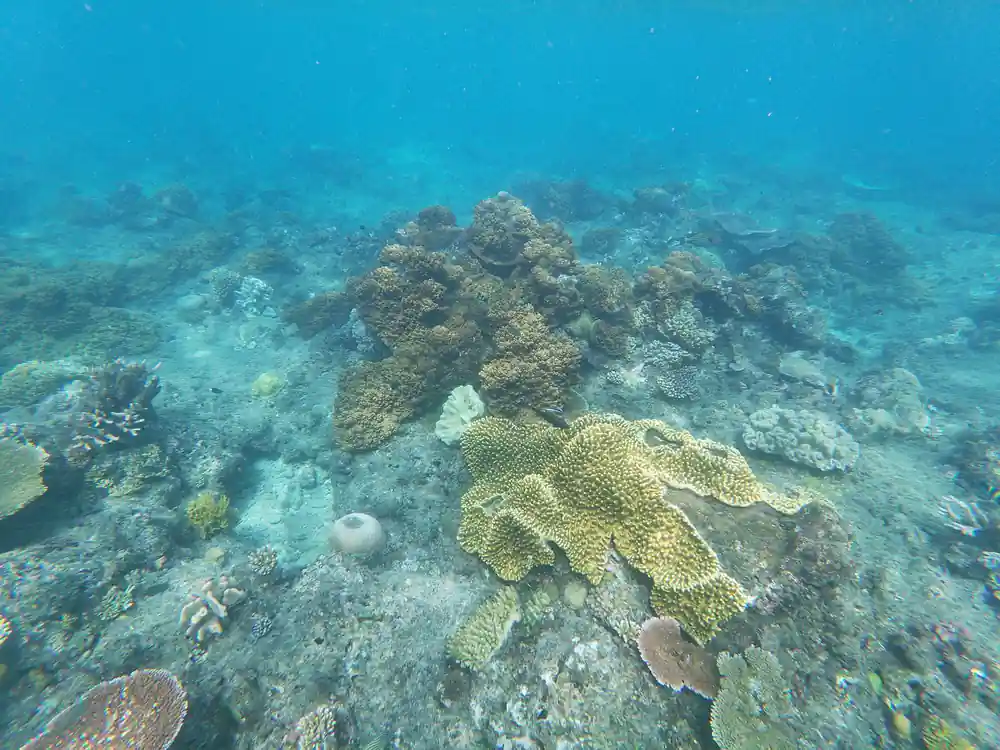
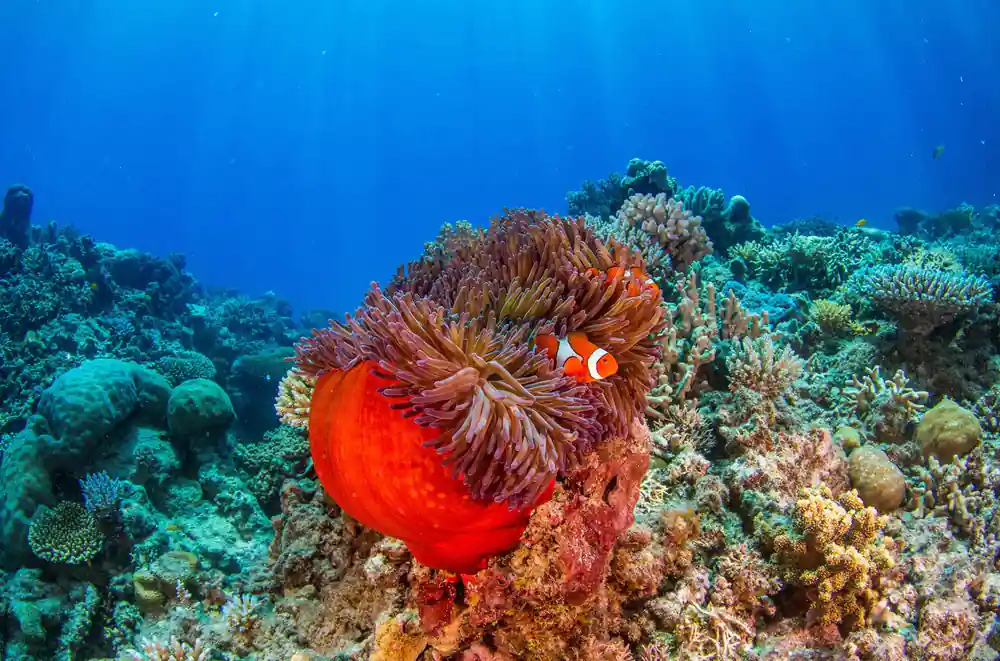
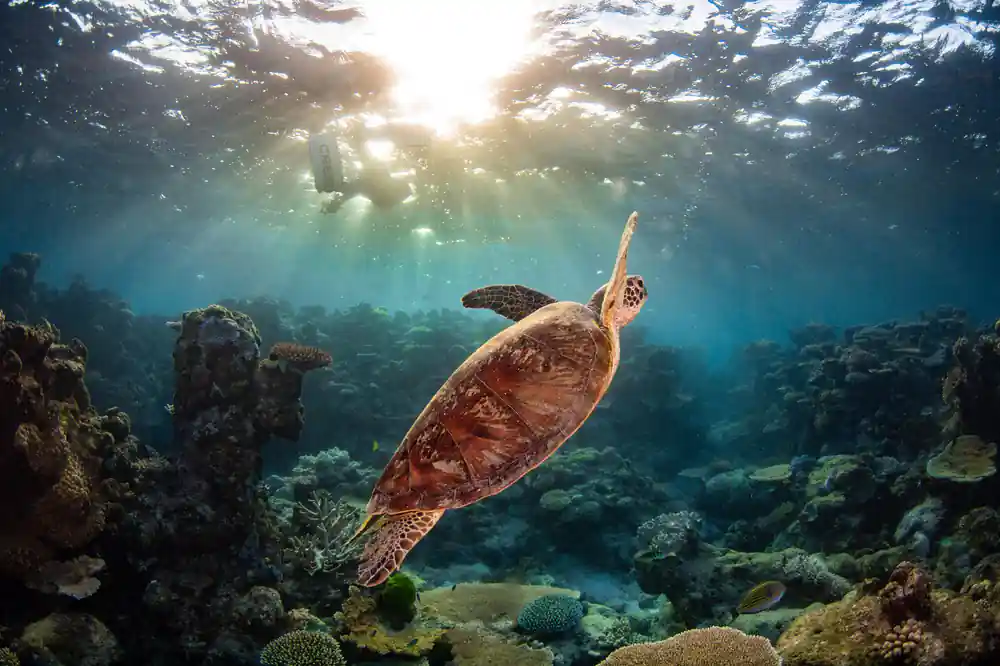
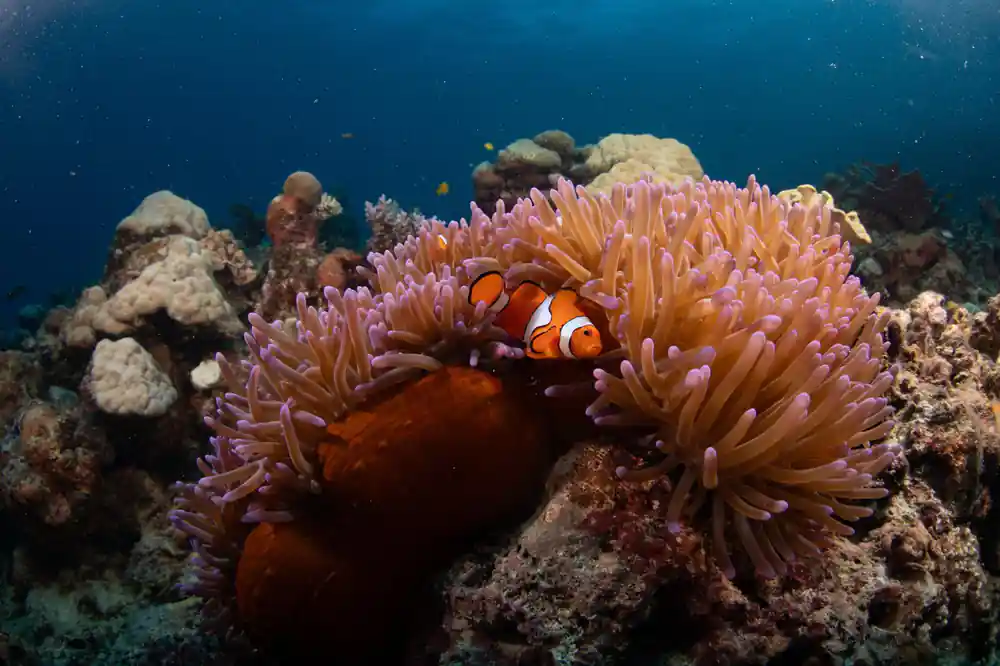
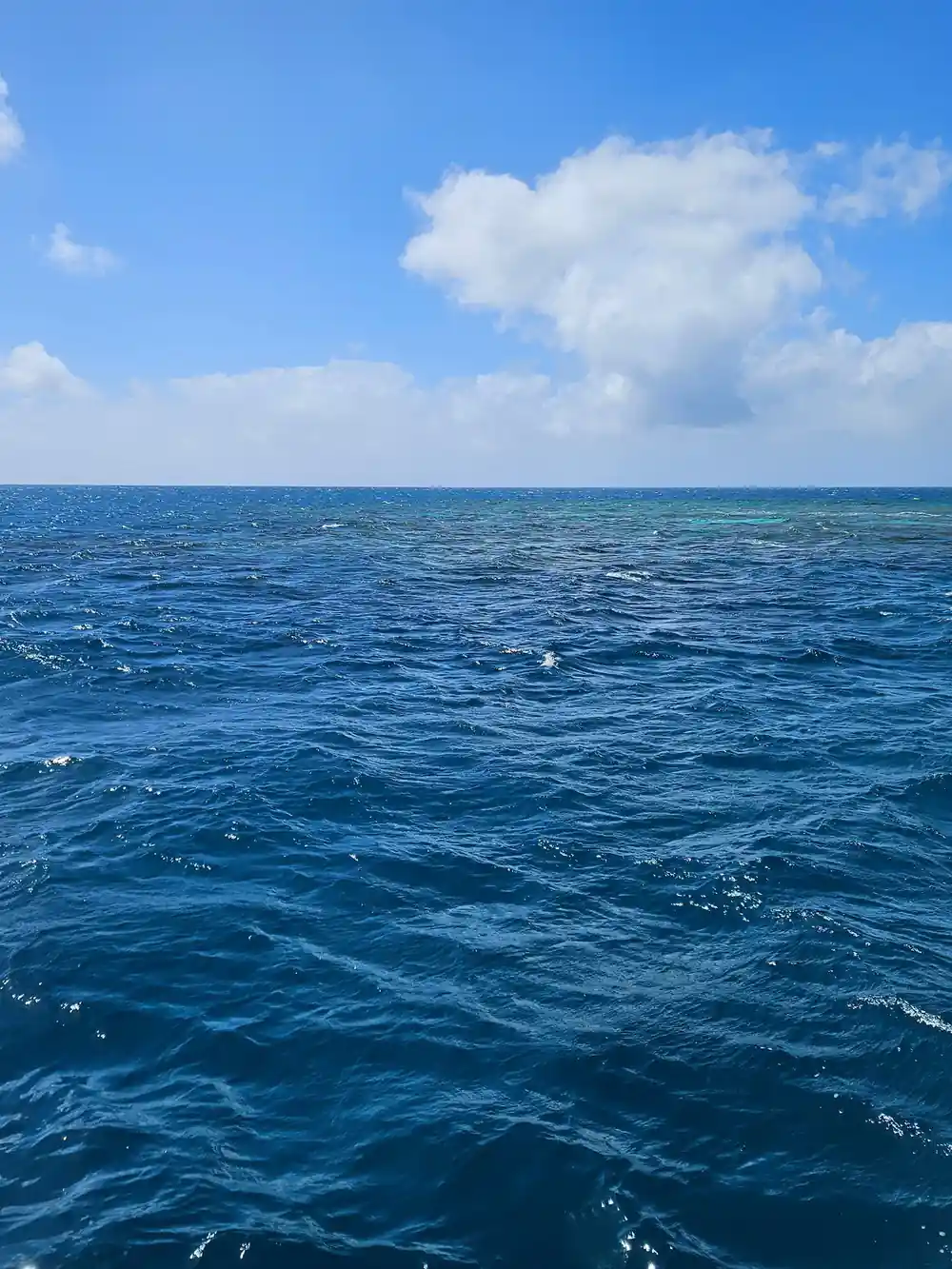
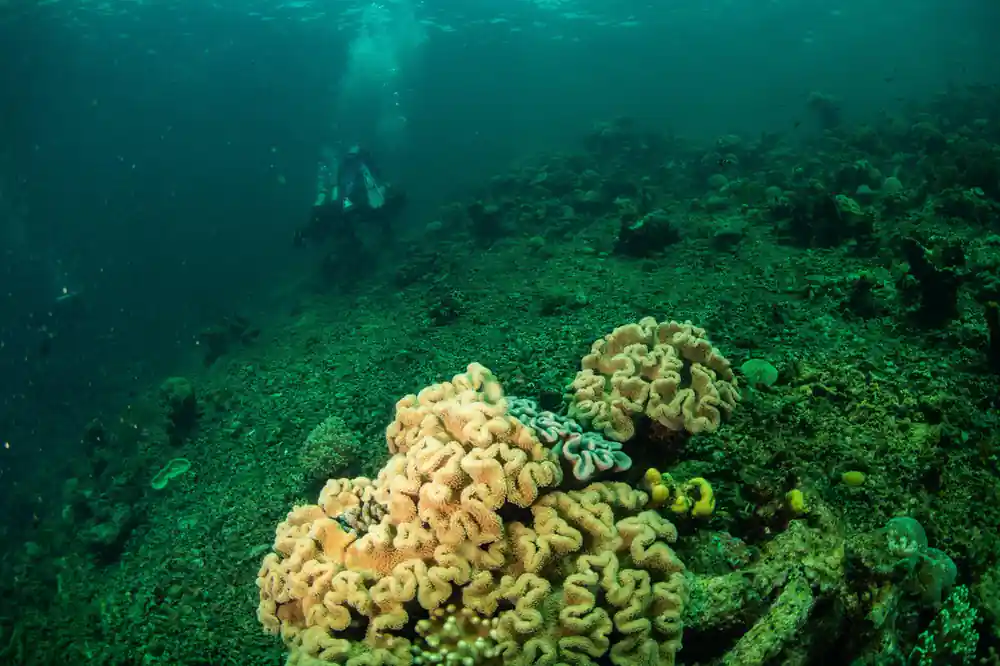
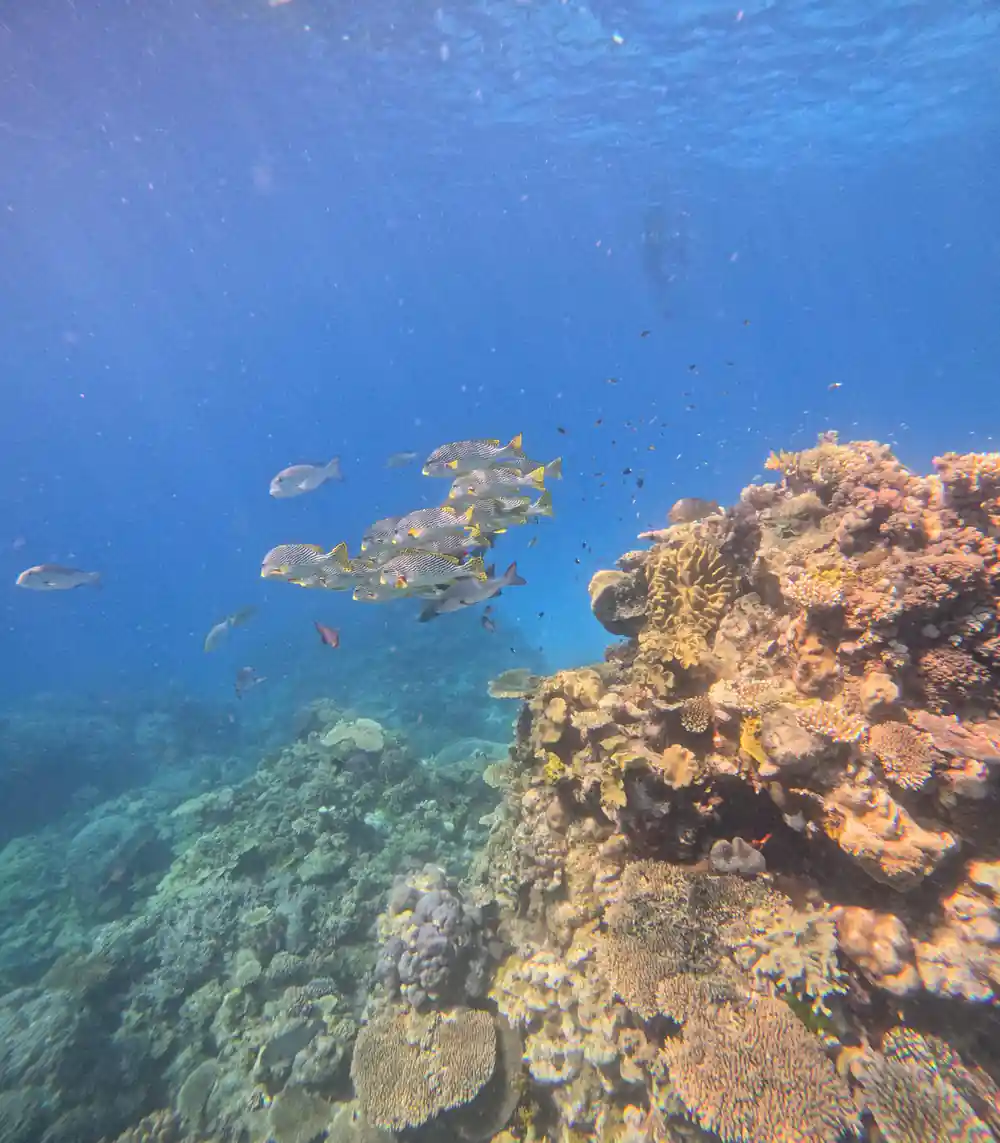
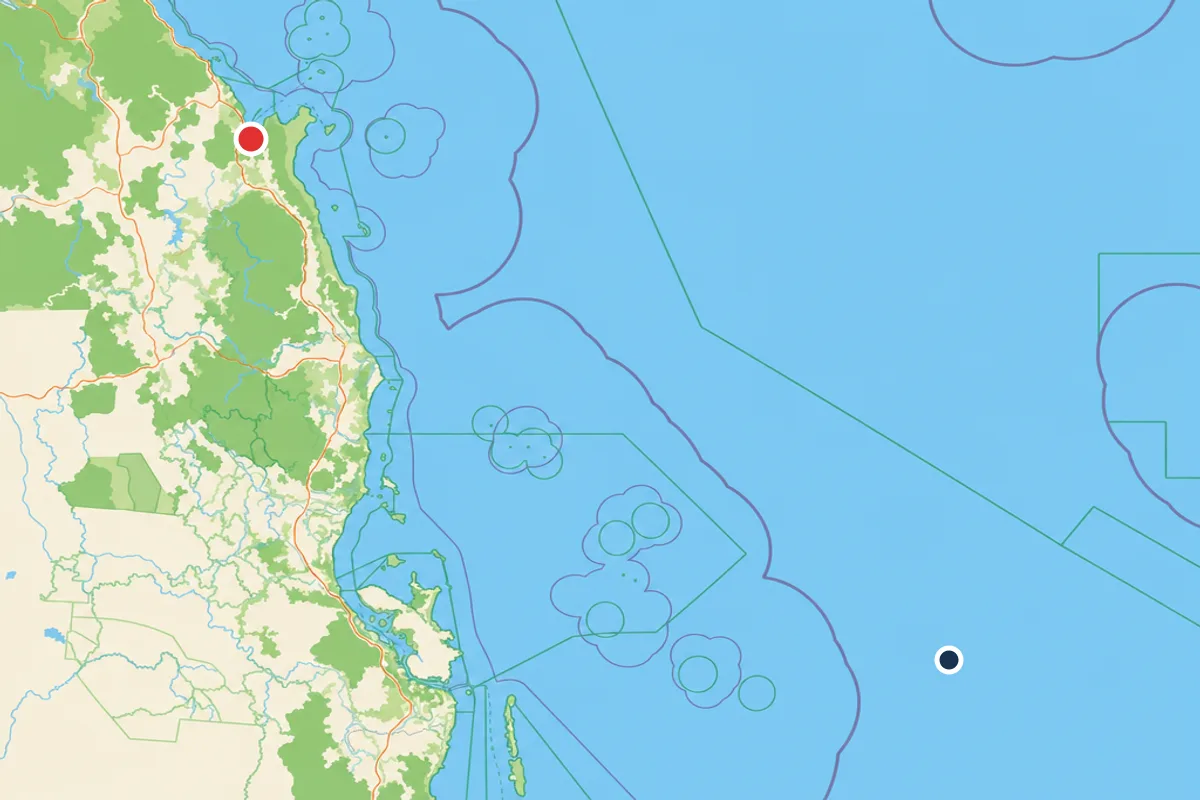
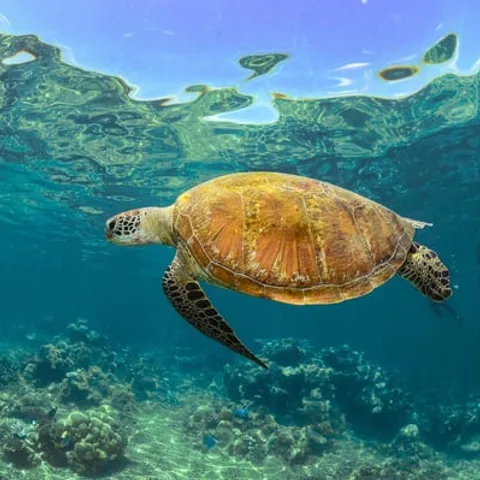
The Great Barrier Reef is not one continuous wall. It is a system of many separate reefs strung along the Queensland coast, and the outer reefs sit further from the mainland, and further from river runoff and sediment, than the reefs closer to shore. What is actually seen on any given day is never guaranteed; it varies with the weather, the tide and the season.
Cairns runs a hot, wet season from roughly November to April and a drier, milder season from May to October, and marine stingers are a genuine seasonal hazard through the wet months, broadly November to May. Recreational diving certifications do not expire, though a diver who has not been in the water for a long time is often asked to do a refresher, and it is worth leaving a surface interval before flying after a dive.