Quick summary
- Starting from US$196, this Best Value All-inclusive Reef Trip With Scuba Dive lasts 1 day; an English-speaking instructor is included.[1]
- Use reserve now and pay later; cancel no later than 24 hours before departure and receive a full refund.[1]
- On the Outer Reef, Sunlover's Moore Reef pontoon lies 47 km offshore.[2]
- Great Adventures operates daily tours from Cairns to an outer Great Barrier Reef pontoon.[3]
- On the northern Great Barrier Reef, hard coral cover rose from 30.0% in 2025 to 35.1% in 2026.[4]
- Top choice Best Value Reef Trip from US$196 Duration1 day[1]Guide languageEnglish[1]CancellationFree up to 24 hours before[1]A good fit forAll-inclusive reef day with scuba dive Check availability
- Fitzroy Island Full-Day Trip from US$76 Duration8 hours[5]Guide languageEnglish[5]CancellationFree up to 24 hours before[5]A good fit forIsland escape with optional extras See this tour
- Outer Reef Cruise and Heli from US$309 Duration8.5 hours[6]Guide languageChinese, English[6]CancellationFree up to 24 hours before[6]A good fit forReef plus scenic helicopter flight See this tour
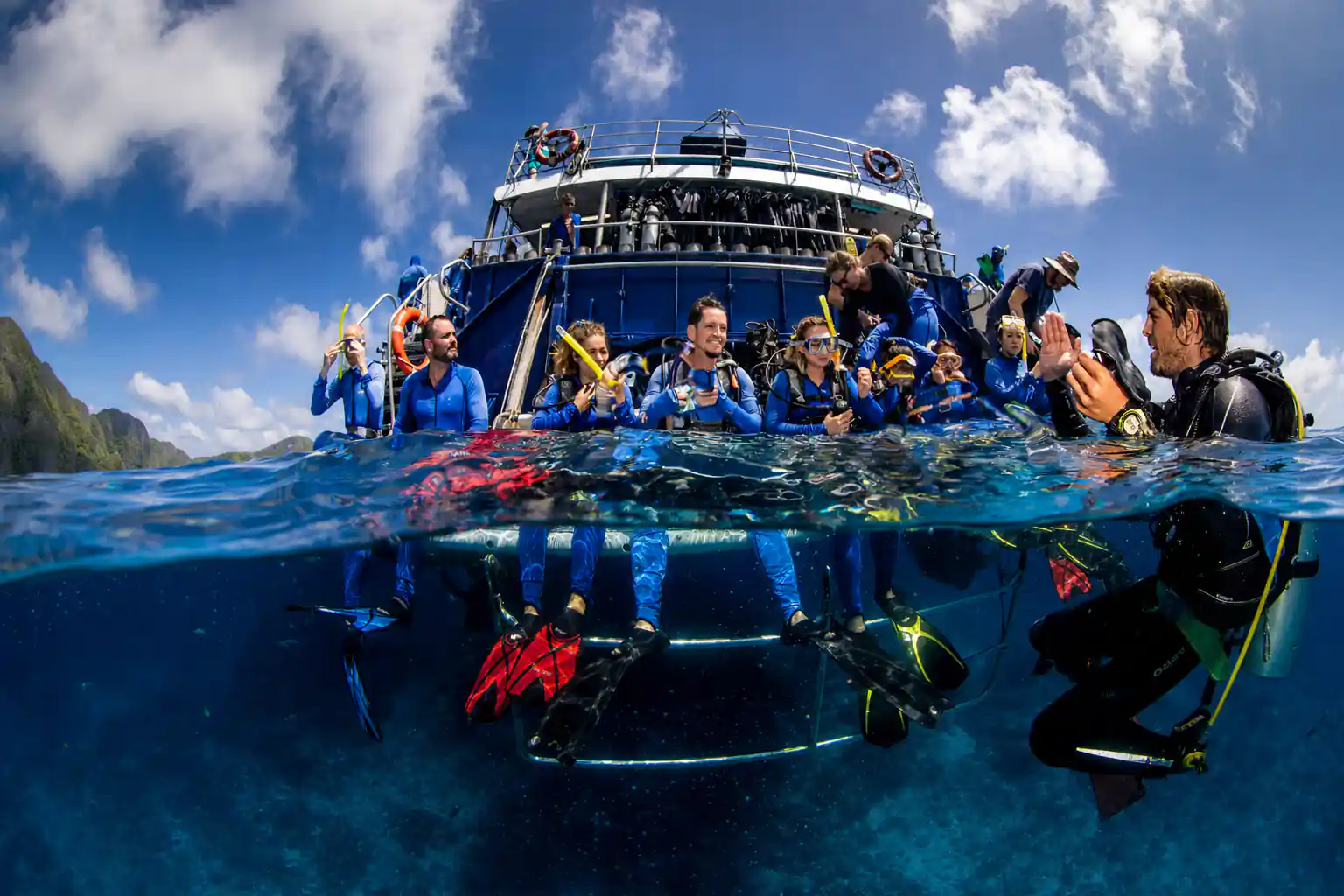
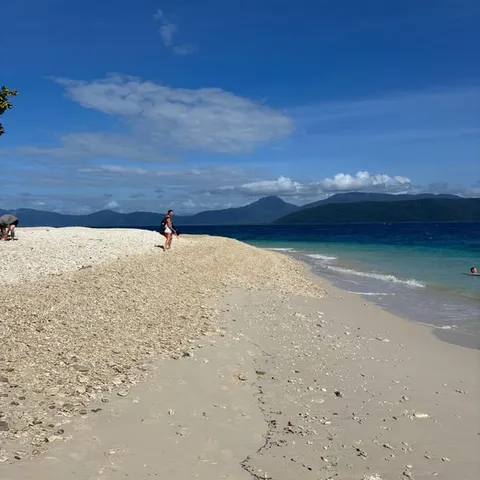
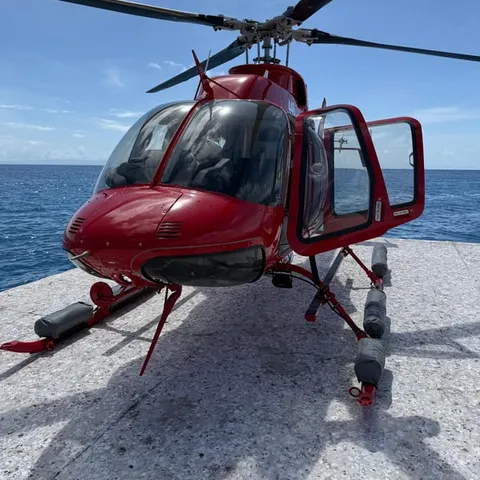
Sunlover’s Moore Reef pontoon sits 47 km offshore on the Outer Reef
A sensible default for a full-day reef experience
Before setting off
What actually leaves Cairns
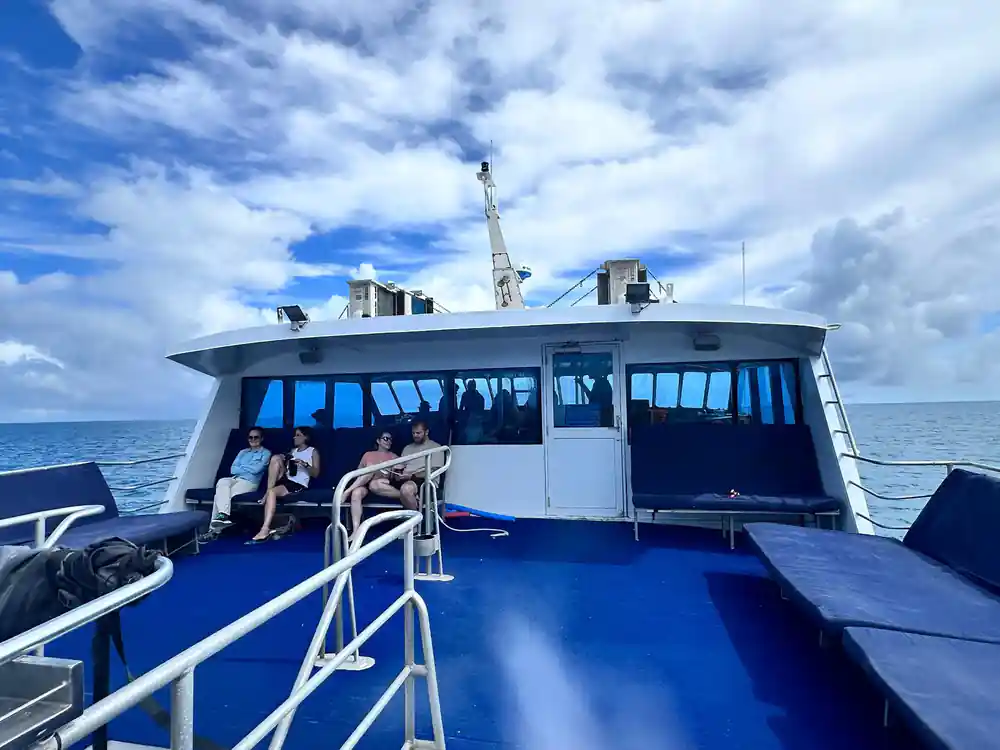
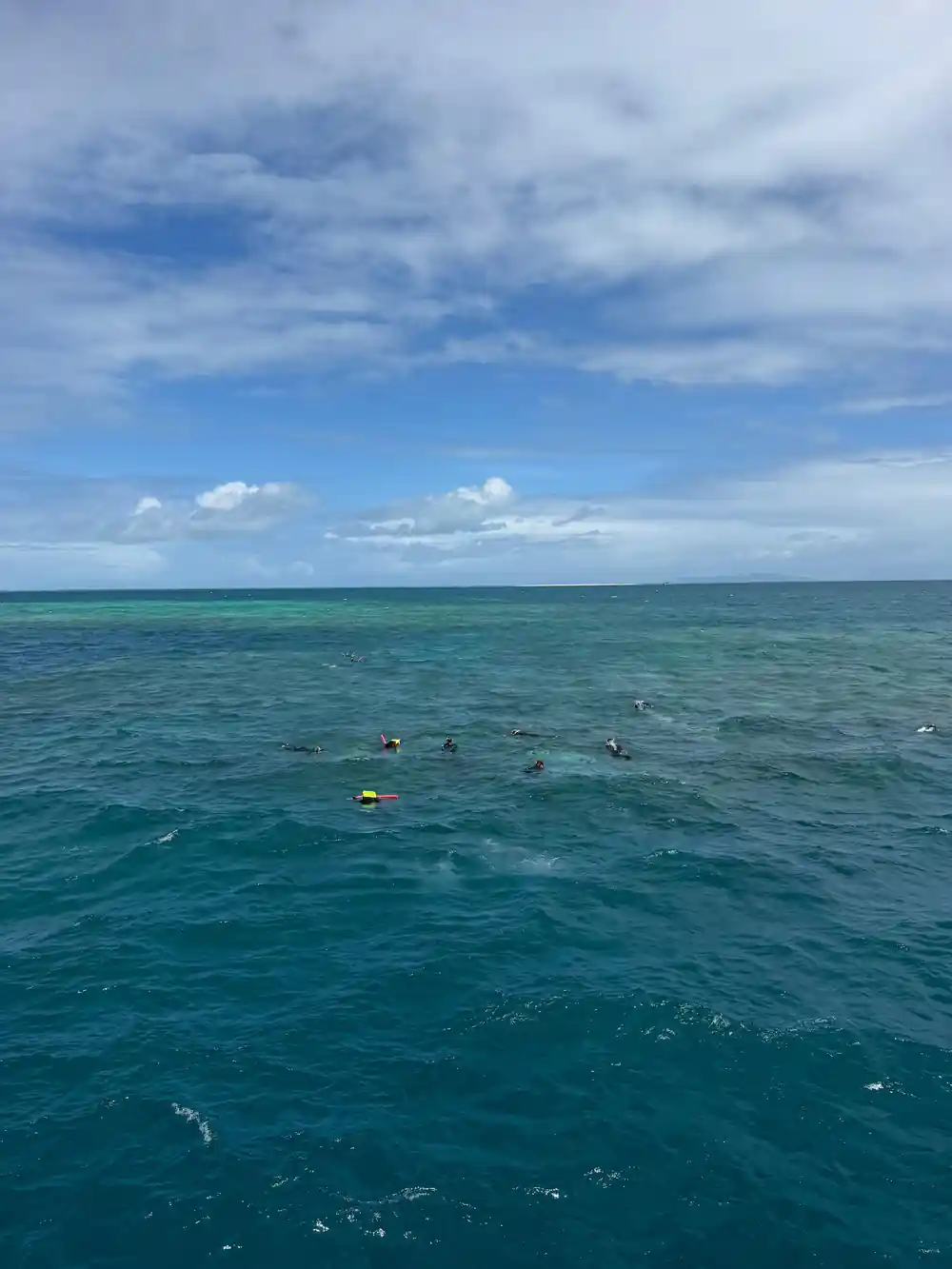
Most reef trips from Cairns are built around a catamaran ride to the outer reef. Departures for reef boats from Cairns take place at the Reef Fleet Terminal, 1 Spence Street.[10] One Outer Reef pontoon, Sunlover's at Moore Reef, sits 47 km offshore.[2] Once you are out there, you tend to spend the day on a stable pontoon or in the water, then cruise back the same way. If you are comparing the best great barrier reef tours from Cairns, start with the departure point and the boat time.
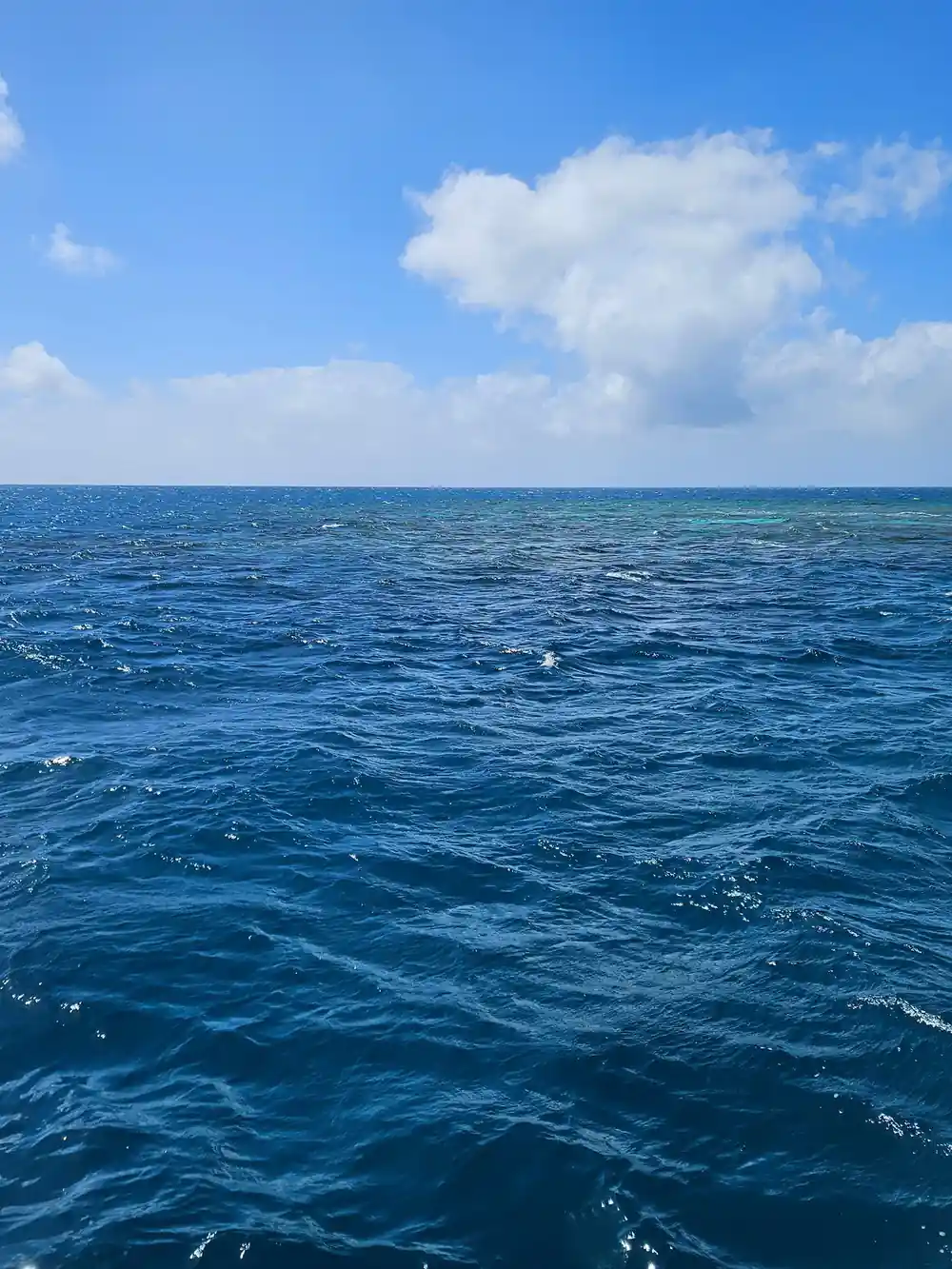
The reef itself is enormous. It spans more than 2,300 kilometres along the northeast coast of Australia and is made up of some 3,000 individual coral reefs.[12] A day trip only ever shows a small slice of that. Great Adventures operates daily tours from Cairns to an outer Great Barrier Reef pontoon.[3] Some travellers prefer closer islands such as Green Island or Fitzroy Island, which have their own beaches and reefs. Green Island lies 27 kilometres to the east of Cairns; a catamaran ride takes about 45 minutes.[11] Fitzroy Island is 29 kilometres southeast of the city, also about 45 minutes by ferry.[13]
The best Cairns great barrier reef tours keep the boat ride comfortable, give you solid water time, and match the day to your experience level. The choice is less about which reef is best and more about which format suits your group.
How the formats really differ
The main formats are outer reef catamarans, island day trips, pontoon platforms and scenic flights. An outer Great Barrier Reef pontoon is one option.[3] It is a large, stable floating platform moored directly on a reef lagoon. That gives easy water access and stable footing, so you can enjoy a full day of reef activity without being an experienced diver or a strong swimmer.
Island trips swap the open ocean for a sandy base. A full-day Fitzroy Island trip with optional extras starts from US$76 and runs for 8 hours with an English-speaking host.[5] The ferry crossing takes about 45 minutes.[13] It is a more sheltered day than an outer reef pontoon, and the island setting changes the pace.
The most photographic option adds a helicopter. One outer reef cruise with a scenic helicopter flight starts from US$309 and runs for 8.5 hours.[6] The flight gives a different perspective, but it also makes the day longer and the price higher.

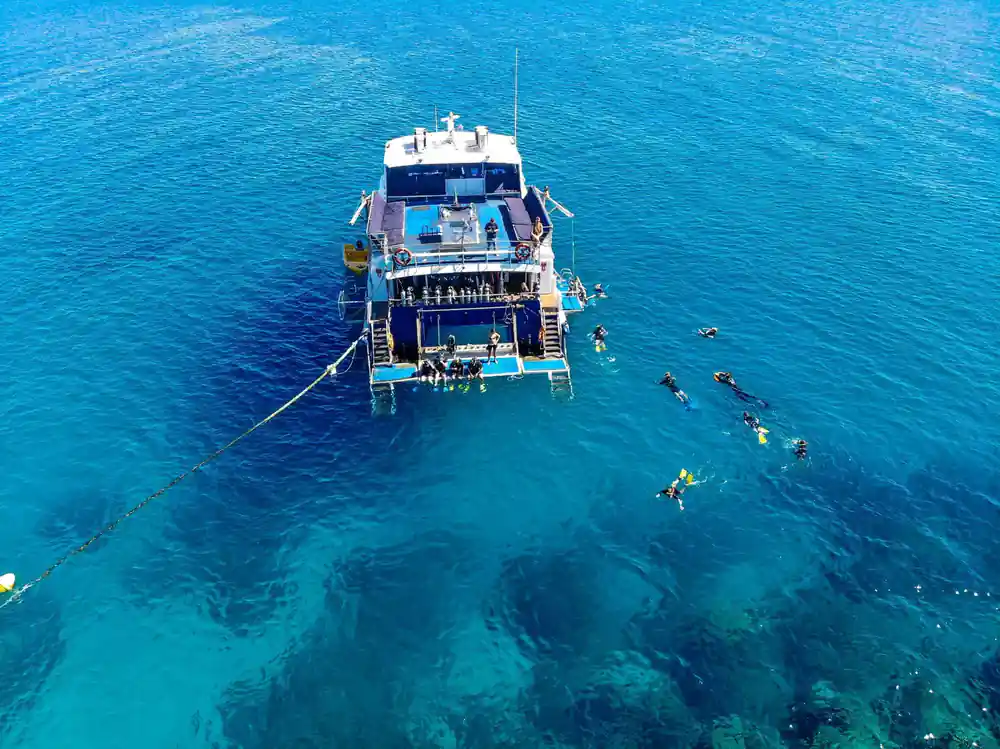
A catamaran moored at the reef with swimmers and snorkellers in the water around it.
The right trip for a first timer
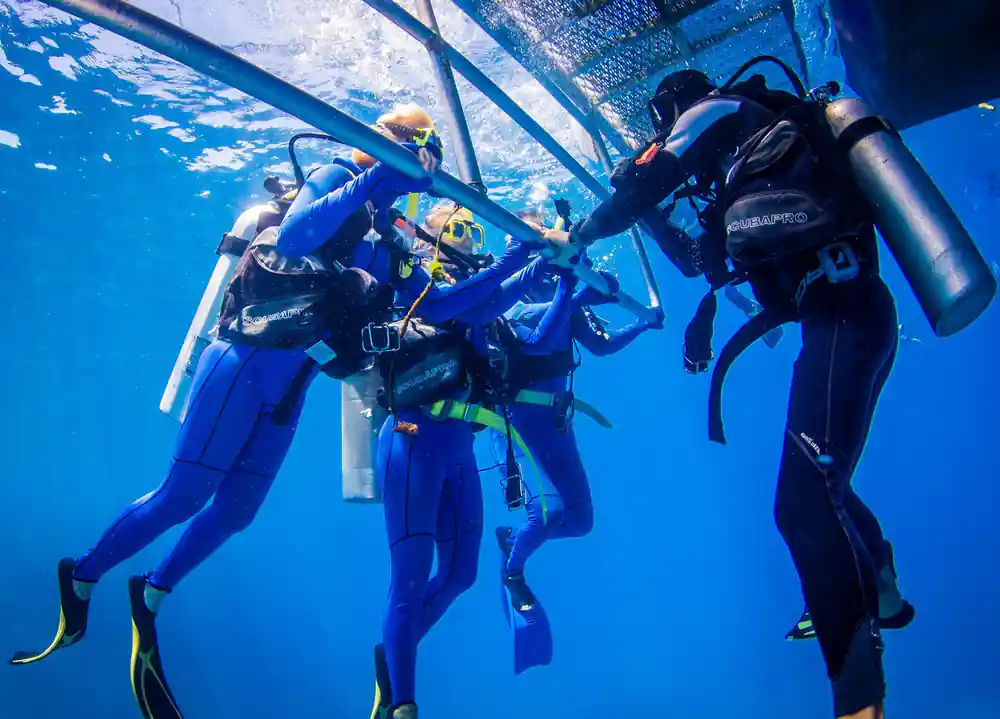
For a first reef visit, choose a tour that removes friction. The Best Value All-inclusive Reef Trip With Scuba Dive starts from US$196 and runs for 1 day with an English-speaking instructor.[1] This is the bookable tour on this site; it travels by catamaran out to the Great Barrier Reef and back to Cairns.[1]
If you are comparing the best great barrier reef snorkeling tours Cairns has to offer, look for one with a stable platform and plenty of water time. If your plans change, you can cancel without penalty up to 24 hours prior and receive a full refund.[1] Reserve now and pay later is also available on this listing.[1] That keeps the decision low-risk for a first-timer.
The right trip for a family
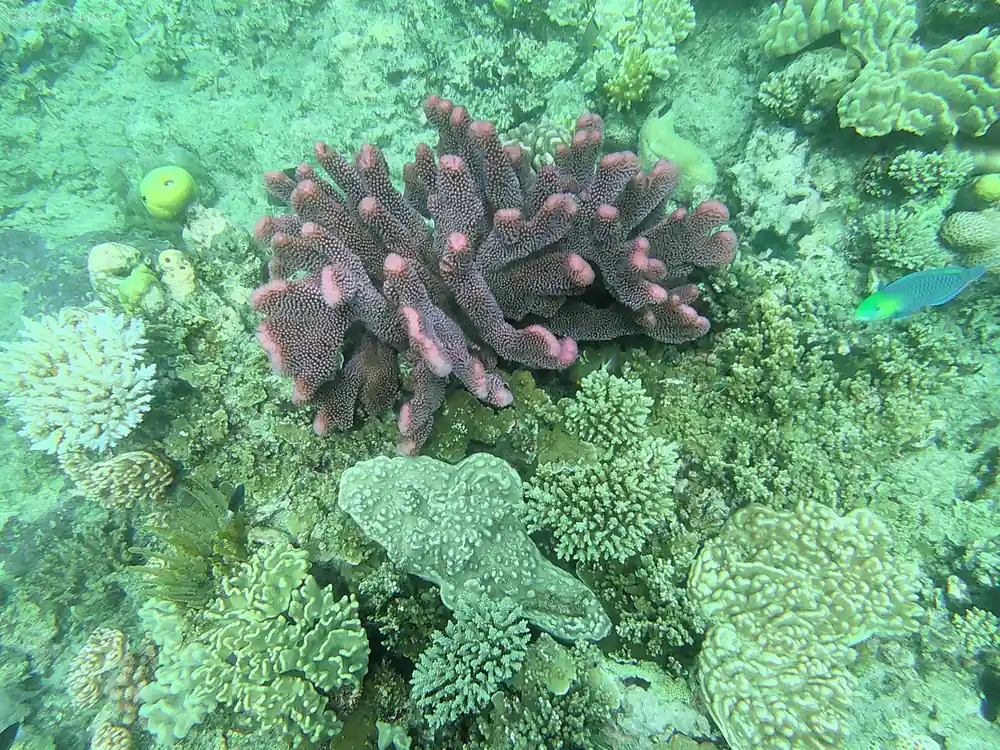
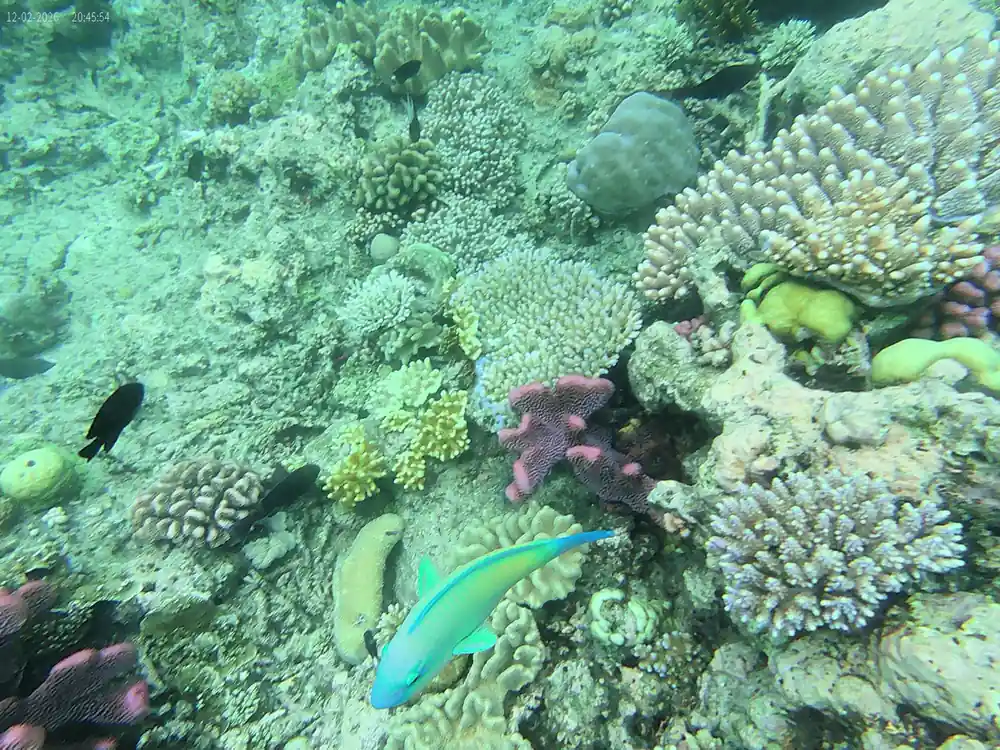
A full-day catamaran gives families time to settle in on the boat, find a shaded spot and work out the routine before the first snorkel. The Best Value trip has an English-speaking instructor and runs for 1 day.[1] Colourful marine life thrives on the reef, including more than 1,600 fish species, more than 600 coral species, and six of the seven marine turtle species found worldwide.[14] Children do not need to know any of that to enjoy floating over it.
Island trips are often easier for younger children. Fitzroy Island is 29 kilometres southeast of Cairns and the ferry ride takes about 45 minutes.[13] The Fitzroy Island Full-Day Trip starts from US$76 and runs for 8 hours.[5] It is a shorter water crossing than the outer reef, which makes it an option if anyone is nervous about the open sea.
The marine stinger season in tropical Queensland typically runs from November through to May, when the risk from dangerous jellyfish is higher.[15] Check whether stinger suits are available when you book, especially in those months.
from US$196
This reef trip starts from US$196, has an English-speaking instructor, and offers free cancellation until 24 hours before.[1]
The right trip for a diver
Certified divers should look for a trip that gives you more than one site. A Silverswift day trip from Cairns starts from US$216 and runs for 8 hours.[16] The tour is led in English.[16] A single-site pontoon can be great for beginners, but divers often prefer moving between bommies and walls.
If you want to build your skills over several days, the 4-Day PADI Open Water Course starts from US$662 and runs for 4 days, with a small group limited to 10 participants.[17] That is a much bigger commitment than a day trip, but it lets you develop skills step by step.
Water temperature guides what you wear. Off Cairns, the reef's average water temperature reaches 29°C during summer and 24°C in winter.[8] Pack a light wetsuit or rash vest, and confirm the operator's exposure suit policy before you board.
Bigger boats are not automatically better
A bigger boat can feel stable, but it can also mean more people at the same reef. Pay attention to the format, not just the vessel. The Best Value trip uses a catamaran route and costs from US$196 for a 1-day outing.[1] A premium reef day trip may add comfort and service, but the price difference does not always buy a better day in the water.
Instead of guessing from boat size, read the route. A trip's stops and duration tell you how much actual water time you get. The Best Value trip lists Catamaran, Great Barrier Reef, Great Barrier Reef, Catamaran.[1] That suggests two reef stops rather than one, which is useful for families and divers alike.
The environmental cost is the same whichever boat you choose. A full-day passenger pays $8.50 per day for the Great Barrier Reef Environmental Management Charge.[9] It is part of the day's cost, so include it in your budget.
The full-day catamaran, as a worked example
Let's use the Best Value All-inclusive Reef Trip With Scuba Dive as the worked example, because it is the tour you can book from this site. It starts from US$196 and is rated 4.51 from 456 reviews.[1] The day runs for 1 day, with an English-speaking instructor.[1] Reef boats depart from the Reef Fleet Terminal at 1 Spence Street, Cairns.[10]
A straightforward plan: take a catamaran out to the Great Barrier Reef, spend time there, then return by catamaran.[1] How long the ride takes depends on which reef you visit; a fixed Outer Reef pontoon such as Sunlover's at Moore Reef sits 47 km offshore.[2] That leaves the middle of the day for snorkelling, the scuba dive and other reef activities.
For flexibility, choose reserve now and pay later; cancelling up to 24 hours ahead earns a full refund.[1] Add the Great Barrier Reef Environmental Management Charge of $8.50 per day for a full-day passenger to your total.[9] With a clear route, an English-speaking instructor and free cancellation, it is a straightforward way to see the reef.
How recent travellers rated these Cairns reef tours
Ratings: 4.51[1], 4.53[5], 4.63[6], 4.65[18], 4.84[19], 4.95[20]. These are GetYourGuide scores for the listed tours.
Compare from-prices for a Cairns reef day
US dollar from-prices: from US$196[1], from US$76[5], from US$309[6], from US$0[18]. Child rates are not listed in these sources.
When to plan your reef day
Plan your reef day
Choose the format
Decide between an outer reef catamaran, an island day trip, a pontoon or a scenic flight. The main options above run 8 hours[5] to 8.5 hours[6].
Set your budget
Prices start from US$76 for Fitzroy Island, from US$196 for the Best Value all-inclusive reef trip, and from US$309 for the heli cruise.[1][5][6]
Check the season
The Cairns dry season runs May to October, while the marine stinger season runs November to May.[7][15]
Book with flexibility
Where available, select reserve now and pay later; cancellation is free of charge up to 24 hours ahead.[1]
Pack for the water
Pack a hat, reef-safe sunscreen, a towel, and spare clothes; water temperatures around the reef average 24°C in winter, while the summer average is 29°C.[8]
Ready to book your best barrier reef day from Cairns?
from US$197Reserve now & pay later